Ultralight Aerodynamic Cycling Helmet: Fit & Safety Guide

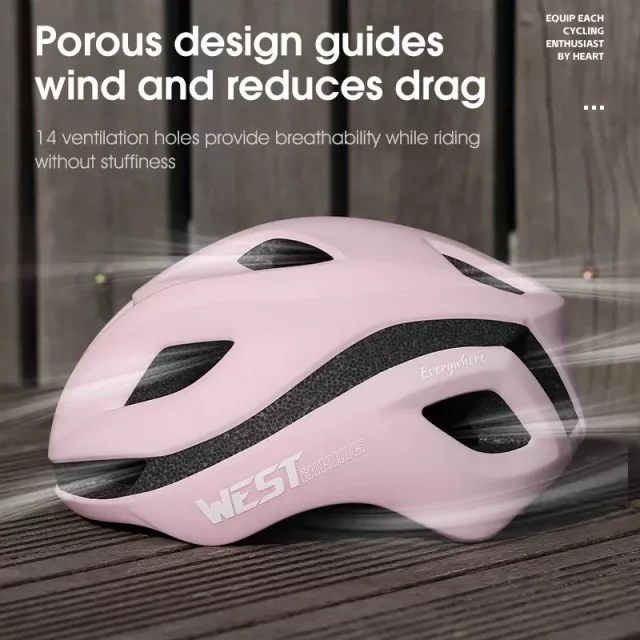
Aerodynamic Ultralight Cycling Helmet for Men and Women with Integrated Safety Design
A fast, lightweight helmet can make long rides feel easier, but only if it fits correctly and protects well. The right balance comes from a streamlined shape that cuts through the wind, a low overall weight that doesn’t tug on your neck, effective ventilation that works in real riding conditions, and an integrated safety build that stays stable when you need it most. Below is a practical guide to choosing, adjusting, and using an everyday road or fitness cycling helmet with confidence.
What makes an aerodynamic ultralight helmet feel different on the road
An aerodynamic ultralight cycling helmet tends to stand out most on steady efforts—think long flats, rolling terrain, and headwind sections—where small reductions in drag and distractions add up.
- Streamlined outer profile: A smoother shape can reduce drag at typical riding speeds, especially in headwind conditions and during sustained efforts.
- Less perceived fatigue: When weight is minimized and the helmet’s balance is centered, long rides often feel less “top heavy,” which can help reduce neck and upper-shoulder strain.
- Stable fit improves comfort: A close, secure fit reduces helmet movement, helping vents stay aligned with airflow and lowering the urge to adjust mid-ride.
- Don’t chase grams at the expense of safety: Ultralight builds should still prioritize certified impact protection and secure retention over shaving a few extra grams.
Integrated safety design: key protection elements to look for
Helmet safety isn’t just about the foam—it’s about how the entire system stays together and stays on your head. When comparing options, focus on construction, coverage, and retention.
- In-mold construction: A shell bonded to impact-absorbing foam often improves structural integrity while keeping weight down.
- Extended coverage: Added protection around the temples and rear can improve real-world protection, especially for everyday road riding where falls aren’t always perfectly linear.
- Retention stability: A rear dial/adjuster that holds tension matters as much as padding; a stable helmet is more likely to stay in position during a fall.
- Chin strap routing and buckle comfort: If straps chafe, riders tend to loosen them. Comfortable routing helps keep proper tension—essential for preventing roll-off.
- Eyewear compatibility: A helmet that plays well with sunglasses reduces distraction and encourages consistent use on every ride.
For U.S. baseline requirements, review the CPSC Bicycle Helmets Safety Standard (16 CFR Part 1203). For independent testing insights, many riders also consult the Virginia Tech Helmet Ratings.
Fit and adjustment: the fastest way to improve comfort and safety
Even an excellent helmet can underperform if it sits too high, tilts back, or shifts when you turn your head. Dialing fit takes only a few minutes and pays off for every mile after.
- Measure first: Use a soft tape above the eyebrows and around the widest part of the head, then choose the size range that matches.
- Position matters: The helmet should sit level (not tilted back), with the front edge roughly one to two finger-widths above the eyebrows.
- Retention dial: Tighten until snug with no pressure points; the helmet should not rock forward/back when pushed.
- Straps around ears: Adjust the strap splitters so straps form a clean “V” around each ear.
- Chin strap tension: With your mouth closed, only one to two fingers should fit between strap and chin.
- Hair and accessories: Account for winter caps, braids, or ponytails; ensure nothing forces the helmet to tilt or sit high.
Quick fit checklist
| Check | How to confirm | Why it matters |
|---|---|---|
| Level position | Front edge sits 1–2 finger-widths above eyebrows | Keeps impact zones aligned to protect the forehead and temples |
| No rocking | Push the helmet; it shouldn’t slide or tip | Reduces chance of shifting during a fall |
| Even strap routing | Straps form a clean “V” around each ear | Improves stability and comfort |
| Correct chin tension | 1–2 fingers under the strap, no more | Prevents roll-off while staying breathable |
Ventilation and sweat management for hot rides and long climbs
Using an aerodynamic helmet across riding styles
- Road training: A streamlined profile and low weight often feel smoother on steady efforts, especially in wind.
- Fitness and weekend rides: Easy adjustment encourages consistent use—arguably the biggest safety “upgrade” of all.
- Commuting: Prioritize secure fit and visibility; pair with bright clothing and lights for low-light routes. For general riding safety guidance, see NHTSA Bicycle Safety.
- Group rides: Stable retention and reliable straps reduce distractions and mid-ride adjustments.
- Indoor training: Ventilation becomes the priority; a strong fan may matter more than vent count.
Care, lifespan, and when to replace a helmet
Product spotlight: Aerodynamic Ultralight Cycling Helmet for Men and Women
If you’re looking for a streamlined, everyday helmet built for road, fitness, and regular riding, consider the Aerodynamic Ultralight Cycling Helmet for Men and Women – Integrated Safety Design. It’s designed to blend a sleek outer shape with a lightweight feel, while emphasizing stable coverage and dependable retention for day-to-day confidence.
For riders who commute or change clothes at work, small comfort upgrades can make routines smoother—like a durable everyday belt such as the Men’s Genuine Leather Cowboy Belt with Copper Buckle for Jeans.
FAQ
How tight should a cycling helmet feel?
It should feel snug without pressure points and shouldn’t rock when pushed. Straps should form a “V” around your ears, and the chin strap should allow only 1–2 fingers underneath.
Do ultralight helmets protect as well as heavier ones?
Protection depends on certified standards, construction, coverage, and fit—not just weight. A properly fitted certified helmet can be highly protective regardless of grams.
When should a cycling helmet be replaced?
Replace it immediately after a crash or significant impact, even if you can’t see damage. Also replace if straps or the buckle degrade, and consider a refresh every few years based on use and storage.














Leave a comment