4.5-Inch GPS Drone: Dual 4K Cameras, Optical Flow
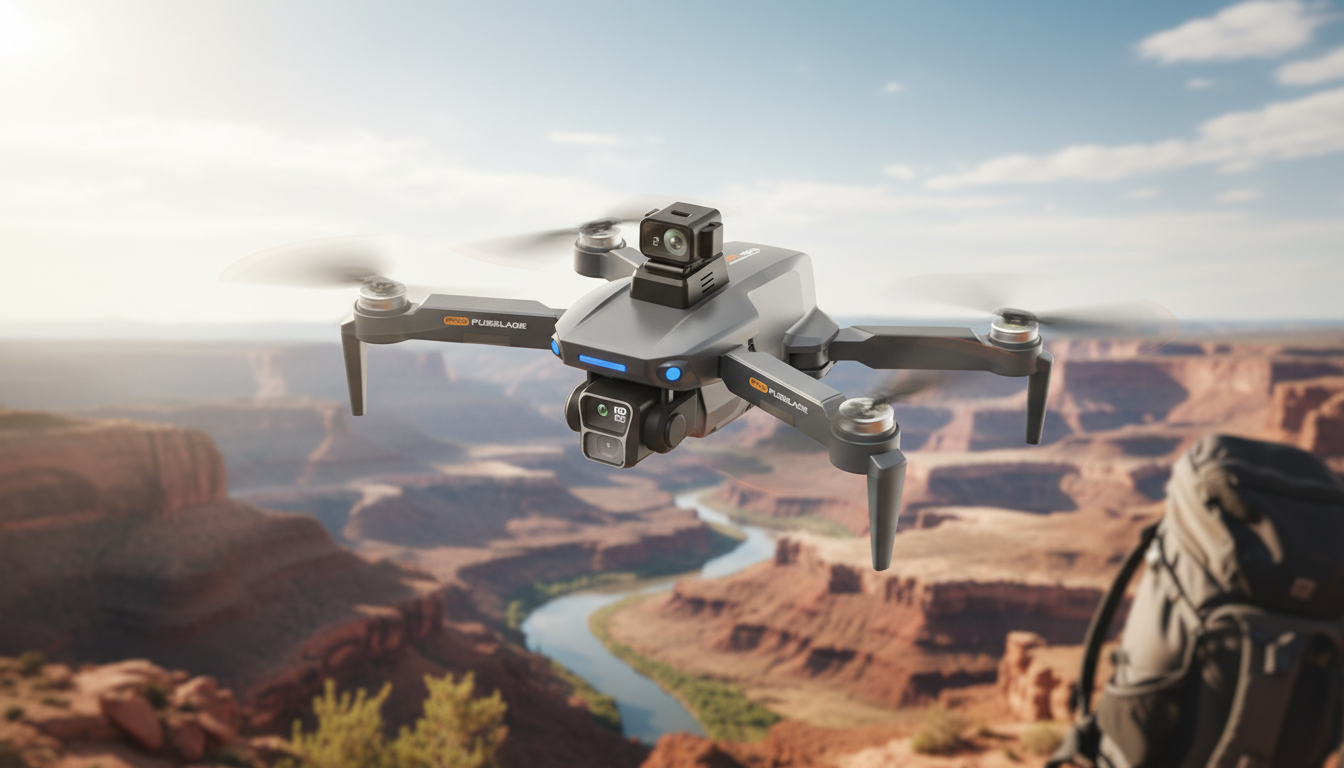
4.5-Inch GPS Drone with Dual 4K Cameras & Optical Flow: Small Drone, More Predictable Flights
A compact 4.5-inch drone can still deliver steady hovering, reliable positioning, and sharp aerial perspectives when it combines GPS positioning with optical flow stabilization and a dual-camera setup. The key is understanding what each system does (and when it doesn’t), then building simple habits that help the drone hold position, record cleaner footage, and return safely.
What a 4.5-inch GPS drone is best at
A smaller GPS drone fits an easy, grab-and-go style of flying: short outdoor sessions in open spaces where you want a controlled hover, straightforward navigation, and the option to capture quick video clips without hauling a large case.
- Compact size for quick outdoor flights in open areas while staying easier to transport and store than larger camera drones.
- GPS positioning for steadier holds and more confidence when flying at a distance (when satellite lock is strong).
- Optical flow stabilization for low-altitude hovering and indoor-like steadiness in calm conditions (best over textured surfaces).
- Dual-camera flexibility for switching perspectives without landing, depending on the drone’s design and app controls.
Core positioning and stability: GPS + optical flow
On small drones, stability is a team effort. GPS is doing most of the heavy lifting outdoors, while optical flow helps the drone “settle” when you’re close to the ground and want minimal drift.
- GPS helps maintain position outdoors by referencing satellites; performance improves after full satellite acquisition before takeoff.
- Optical flow reduces drift at low altitude by reading ground texture; it can struggle over water, shiny floors, or uniform surfaces.
- Best results typically come from combining both: GPS for outdoor positioning and optical flow for low-height hover assistance and gentle landings.
- Wind matters more on small frames; even with GPS, lighter wind usually means smoother footage and fewer corrections.
| Situation | Best aid | Notes for better results |
|---|---|---|
| Open outdoor area with clear sky | GPS | Wait for satellite lock; avoid takeoff near tall buildings/trees that can block signals. |
| Low-altitude hover (1–3 m) over pavement/grass | Optical flow + GPS | Keep the ground well-lit and textured; avoid reflective surfaces. |
| Over water/snow or glossy surfaces | GPS | Optical flow may drift; increase altitude cautiously and maintain line of sight. |
| Indoors | Optical flow (limited) | GPS may be weak indoors; fly slowly, keep obstacles clear, and expect some drift. |
For flight planning, it helps to treat GPS as the “outdoor anchor” and optical flow as the “close-to-ground stabilizer.” If you’re deciding whether conditions are good enough to fly, checking wind before leaving home can save a lot of frustration; NOAA’s local forecasts are a practical starting point: https://www.weather.gov/.
Dual 4K cameras: what it can (and can’t) change
Dual cameras can be more than a spec sheet feature when they’re used for real framing decisions. Depending on the drone and its app, you may be able to switch between viewpoints (commonly forward and downward) to line up a shot, monitor the ground during low passes, or confirm your landing spot without repositioning the whole drone.
- Perspective options can help framing and situational awareness, especially near the ground.
- “4K” isn’t the whole story: real-world sharpness depends on stabilization, bitrate, light, and vibration control.
- Lighting often matters more than resolution; bright, even daylight typically produces clearer detail and less noise.
- Smoother clips come from calmer flying: stable hovering, gentle stick inputs, and consistent altitude beat fast turns and punchy climbs.
Flight modes and safety habits that improve results
For U.S. recreational flying, it’s also smart to follow current FAA safety guidance and airspace awareness tools. Start with the FAA’s recreational flyer resources (TRUST and safety guidance) and the FAA’s airspace awareness info (B4UFLY).
Setup checklist before the first takeoff
| Item | What to confirm | Why it matters |
|---|---|---|
| Propellers | Undamaged and installed correctly | Reduces vibration and improves control |
| Battery | Fully charged and seated securely | Prevents sudden power loss |
| Sensors | Calibration completed on level ground | Improves hover and heading accuracy |
| GPS readiness | Adequate satellite lock (if shown) | Stronger position hold and safer return behavior |
| Environment | Low wind, clear space, good lighting | Stability, safety, and better video clarity |
Getting steadier video from a small drone
Care, storage, and accessories that help
Product snapshot
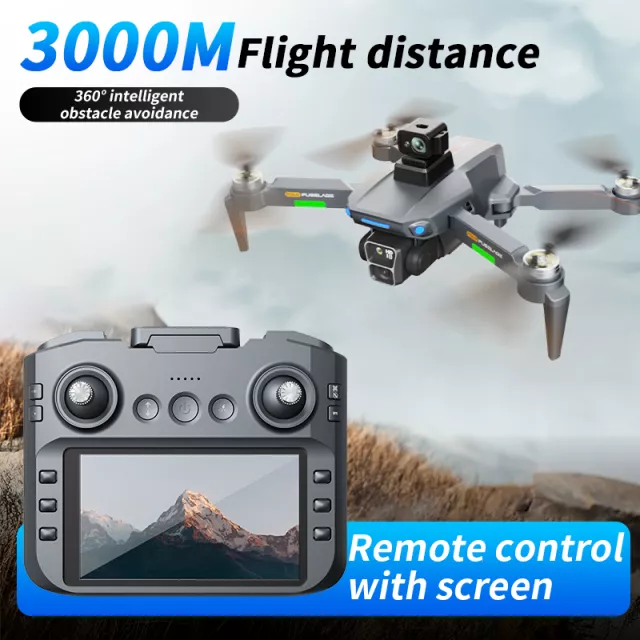
For a compact drone focused on more controlled outdoor flying, this model pairs GPS positioning, optical flow support, and dual 4K cameras in a small 4.5-inch format: 4.5-Inch GPS Drone with Dual 4K Cameras & Optical Flow.
At-a-glance details
| Detail | Value |
|---|---|
| Product | 4.5-Inch GPS Drone with Dual 4K Cameras & Optical Flow |
| Price | 176.51 USD |
| Availability | In stock |
More in-stock picks
- Men’s Genuine Leather Cowboy Belt with Copper Buckle for Jeans
- Large Dog Slicker Brush & Comb Set for Doodles, Poodles and Long Coats
- Twin Size Upholstered Bed with LED Lights and Crown Headboard
FAQ
Does optical flow work at night or in low light?
Optical flow depends on seeing ground texture clearly, so low light usually reduces stability and can increase drift. For best results, fly in brighter conditions, or rely more on GPS outdoors when the sky view is clear.
How long should it wait before takeoff for GPS to stabilize?
Satellite lock time varies based on your location and how much open sky is visible. Wait until the app or indicator shows GPS readiness, and avoid taking off near large metal objects or tall buildings that can interfere with signals.
What’s the practical benefit of having dual cameras on a small drone?
Dual cameras can let you switch perspectives (often forward and downward) for easier framing and better awareness during low-altitude maneuvering. Final image quality still depends heavily on stable hovering, good lighting, and low vibration—not just the resolution label.












Leave a comment