Cute Bear Tongs: Anti-Slip Stainless Steel Grip
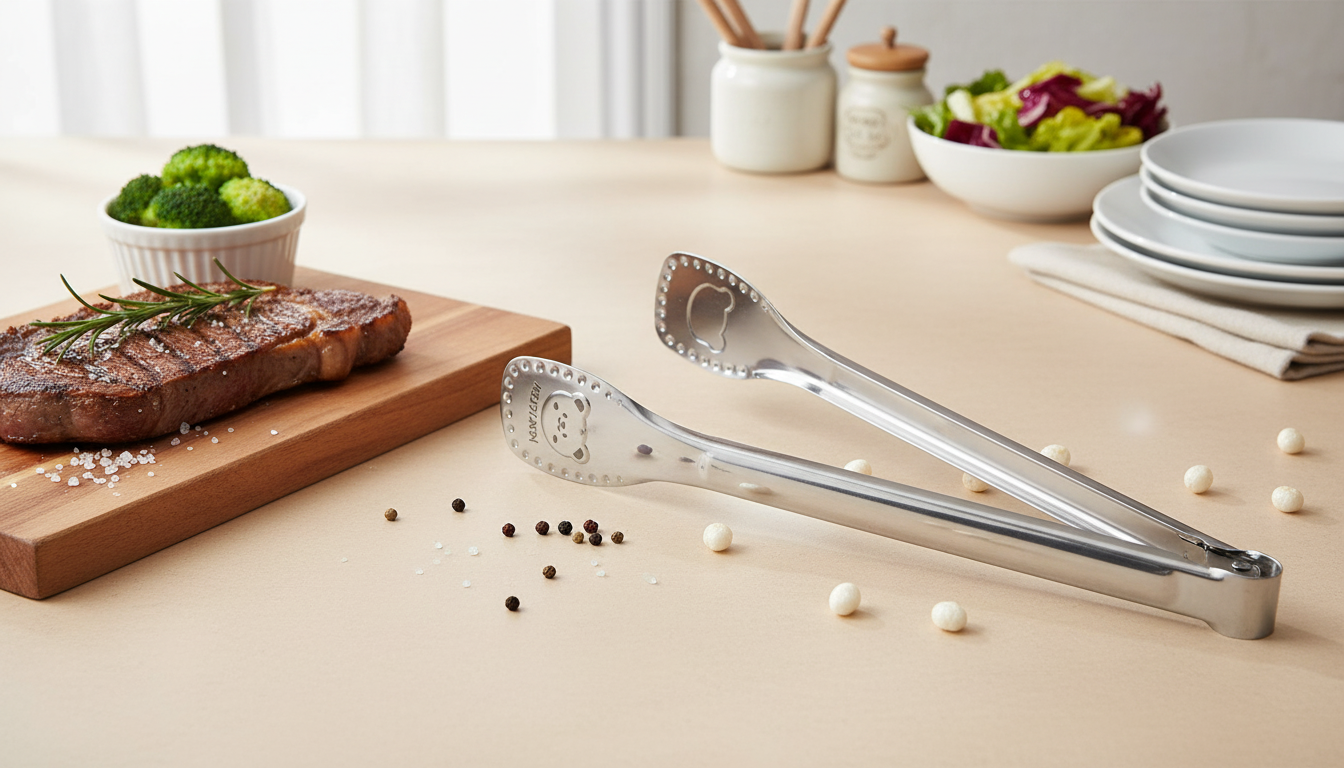
Anti-Slip Stainless Steel Bear Tongs: Cute, Durable Grip for Everyday Cooking
Bear-shaped tongs bring a little personality to your kitchen without sacrificing the things that matter most: control, durability, and quick cleanup. With a stainless steel build and an anti-slip grip, these compact tongs are designed for the real work of turning, lifting, plating, and serving—whether you’re cooking at the stove, topping a salad, or setting out snacks for guests. Below, you’ll find the most practical ways bear tongs fit into day-to-day cooking, plus care tips that help keep stainless steel looking bright.
What Makes Bear Tongs So Handy
Small tongs tend to become the “always-within-reach” tool in a busy kitchen, and the bear design simply makes that habit more fun. The shape is playful, but the function stays serious.
- Combines a fun bear design with a functional tong shape for everyday grabbing, plating, and serving.
- Anti-slip handling helps reduce accidental drops when turning hot or slippery foods.
- Stainless steel is well-suited to frequent use and quick rinsing after messy tasks.
- Compact enough to leave on the counter without looking out of place, so it’s more likely to get used.
Materials and Build Quality
Kitchen tools earn their keep when they can handle repeated movement, heat, and quick washes. Stainless steel is a popular choice for a reason: it’s sturdy, non-porous, and generally less likely to hang onto odors than many plastics or unfinished materials.
- Stainless steel construction supports repeated opening/closing without feeling flimsy.
- The metal surface is generally resistant to staining and lingering odors compared with porous materials.
- A simple, minimal-joint style typically makes cleanup easier after sticky sauces or sugary glazes.
- Compact tong tools are especially useful when full-size grilling tongs feel oversized for small pans and prep bowls.
At-a-Glance Features
| Feature | Why it matters in the kitchen |
|---|---|
| Stainless steel body | Durable for daily cooking and less likely to absorb odors |
| Anti-slip design | More control when handling slippery foods like noodles or roasted vegetables |
| Cute bear shape | Adds personality for serving, lunch prep, or family meals |
| Multipurpose use | Helpful for cooking, plating, and buffet-style serving |
Anti-Slip Control: Where It Helps Most
Grip is the difference between smooth cooking and frustrating “oops” moments—especially when food is hot, glossy, or fragile. Anti-slip handling helps you keep a steady hold and make smaller, more precise movements.
- Turning foods in a pan: Better control when flipping dumplings, tofu, or sautéed vegetables without breaking them apart.
- Serving and plating: Helps lift delicate items (pastries, fruit slices, cooked shrimp) without tearing or squashing.
- Hot or greasy foods: Reduces sliding while transferring bacon, fried items, or glazed wings to a plate lined with paper towel.
- Small-batch prep: Handy for grabbing ice cubes, tea bags, lemon slices, herbs, or garnishes when you don’t want to use your fingers.
For food-safety basics—especially when switching between raw and ready-to-eat foods—follow the core guidance from the CDC’s four steps to food safety and the USDA FSIS tips on preventing cross-contamination.
Best Uses: Cooking, Serving, and Cute Presentation
Bear tongs shine when you want the control of chopsticks with the ease of a simple grab-and-lift tool. They’re especially convenient for small foods, snacks, and light cooking tasks where full-size tools feel clunky.
- Weeknight cooking: Move food from pan to plate with more precision than a spatula for items like mushrooms, shrimp, or roasted vegetables.
- Kids’ lunches and bento-style meals: A playful tool that can make fruit and snack prep more engaging (and keep hands cleaner).
- Snack boards and hosting: Use as mini-servers for pickles, cheese cubes, olives, and pastries.
- Picnics and potlucks: A small tong tool can be more hygienic and convenient than shared hands-on serving.
If you’re looking for the specific item featured here, you can find it on the product page: Anti-Slip Stainless Steel Bear Tongs – Cute & Durable Kitchen Tool.
Cleaning and Care Tips for Stainless Steel Tools
Stainless steel is relatively low-maintenance, but a few quick habits keep it looking newer for longer—especially if the tongs touch sugary sauces, oils, or acidic ingredients.
- Wash after use: Warm water and mild dish soap help remove oils and sugary residue before it hardens.
- Dry promptly: Towel-dry to reduce water spots and keep the finish looking clean.
- For sticky buildup: Soak briefly, then use a non-abrasive sponge to avoid scratching.
- Food-safety habit: Wash between handling raw and ready-to-eat foods to reduce cross-contamination.
For more context on materials used around food, the FDA overview of food contact substances is a helpful reference.
A Small Gift That Still Feels Thoughtful
Other in-stock giftable items available in the shop include Men’s Genuine Leather Cowboy Belt with Copper Buckle for Jeans and the Large Dog Slicker Brush & Comb Set for Doodles, Poodles and Long Coats.
Product Page and Ordering
FAQ
Are stainless steel tongs safe to use with hot food?
Yes—stainless steel is commonly used for kitchen tools and is suitable for handling hot foods. Use care around high heat and keep a secure grip, and wash between raw and ready-to-eat foods as part of basic food-safety practice.
How should bear tongs be cleaned to avoid stains or water spots?
Wash soon after use with warm water and mild dish soap, then dry promptly to help prevent water spots. For sticky residue, soak briefly and clean with a non-abrasive sponge to protect the finish.
What foods are these tongs best for?
They’re great for smaller foods and precise serving—think snacks, fruit, pastries, dumplings, noodles, salad toppings, cooked shrimp, and ice. They’re especially convenient when you want more control than a fork or spoon provides.
Recommended for you
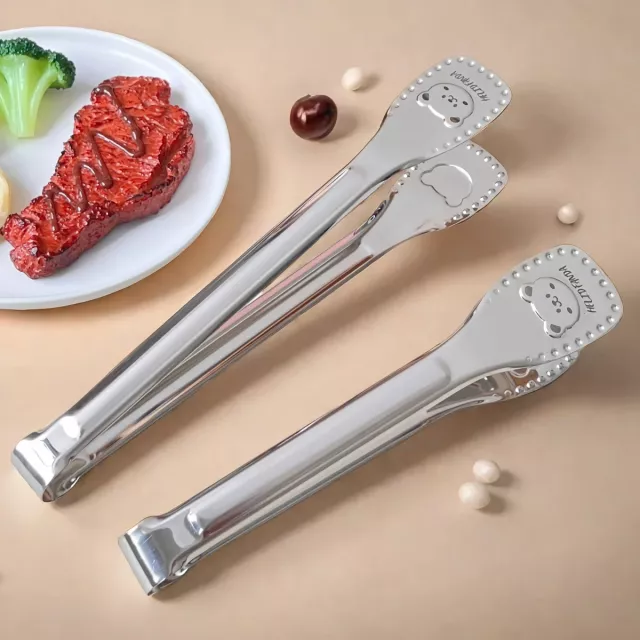


Anti-Slip Stainless Steel Bear Tongs: Cute, Durable Grip for Everyday Cooking
Bear-shaped tongs bring a little personality to your kitchen without sacrificing the things that matter most: control, durability, and quick cleanup. With a stainless steel build and an anti-slip grip, these compact tongs are designed for the real work of turning, lifting, plating, and serving—whether you’re cooking at the stove, topping a salad, or setting out snacks for guests. Below, you’ll find the most practical ways bear tongs fit into day-to-day cooking, plus care tips that help keep stainless steel looking bright.
What Makes Bear Tongs So Handy
Small tongs tend to become the “always-within-reach” tool in a busy kitchen, and the bear design simply makes that habit more fun. The shape is playful, but the function stays serious.
- Combines a fun bear design with a functional tong shape for everyday grabbing, plating, and serving.
- Anti-slip handling helps reduce accidental drops when turning hot or slippery foods.
- Stainless steel is well-suited to frequent use and quick rinsing after messy tasks.
- Compact enough to leave on the counter without looking out of place, so it’s more likely to get used.
Materials and Build Quality
Kitchen tools earn their keep when they can handle repeated movement, heat, and quick washes. Stainless steel is a popular choice for a reason: it’s sturdy, non-porous, and generally less likely to hang onto odors than many plastics or unfinished materials.
- Stainless steel construction supports repeated opening/closing without feeling flimsy.
- The metal surface is generally resistant to staining and lingering odors compared with porous materials.
- A simple, minimal-joint style typically makes cleanup easier after sticky sauces or sugary glazes.
- Compact tong tools are especially useful when full-size grilling tongs feel oversized for small pans and prep bowls.
At-a-Glance Features
| Feature | Why it matters in the kitchen |
|---|---|
| Stainless steel body | Durable for daily cooking and less likely to absorb odors |
| Anti-slip design | More control when handling slippery foods like noodles or roasted vegetables |
| Cute bear shape | Adds personality for serving, lunch prep, or family meals |
| Multipurpose use | Helpful for cooking, plating, and buffet-style serving |
Anti-Slip Control: Where It Helps Most
Grip is the difference between smooth cooking and frustrating “oops” moments—especially when food is hot, glossy, or fragile. Anti-slip handling helps you keep a steady hold and make smaller, more precise movements.
- Turning foods in a pan: Better control when flipping dumplings, tofu, or sautéed vegetables without breaking them apart.
- Serving and plating: Helps lift delicate items (pastries, fruit slices, cooked shrimp) without tearing or squashing.
- Hot or greasy foods: Reduces sliding while transferring bacon, fried items, or glazed wings to a plate lined with paper towel.
- Small-batch prep: Handy for grabbing ice cubes, tea bags, lemon slices, herbs, or garnishes when you don’t want to use your fingers.
For food-safety basics—especially when switching between raw and ready-to-eat foods—follow the core guidance from the CDC’s four steps to food safety and the USDA FSIS tips on preventing cross-contamination.
Best Uses: Cooking, Serving, and Cute Presentation
Bear tongs shine when you want the control of chopsticks with the ease of a simple grab-and-lift tool. They’re especially convenient for small foods, snacks, and light cooking tasks where full-size tools feel clunky.
- Weeknight cooking: Move food from pan to plate with more precision than a spatula for items like mushrooms, shrimp, or roasted vegetables.
- Kids’ lunches and bento-style meals: A playful tool that can make fruit and snack prep more engaging (and keep hands cleaner).
- Snack boards and hosting: Use as mini-servers for pickles, cheese cubes, olives, and pastries.
- Picnics and potlucks: A small tong tool can be more hygienic and convenient than shared hands-on serving.
If you’re looking for the specific item featured here, you can find it on the product page: Anti-Slip Stainless Steel Bear Tongs – Cute & Durable Kitchen Tool.
Cleaning and Care Tips for Stainless Steel Tools
Stainless steel is relatively low-maintenance, but a few quick habits keep it looking newer for longer—especially if the tongs touch sugary sauces, oils, or acidic ingredients.
- Wash after use: Warm water and mild dish soap help remove oils and sugary residue before it hardens.
- Dry promptly: Towel-dry to reduce water spots and keep the finish looking clean.
- For sticky buildup: Soak briefly, then use a non-abrasive sponge to avoid scratching.
- Food-safety habit: Wash between handling raw and ready-to-eat foods to reduce cross-contamination.
For more context on materials used around food, the FDA overview of food contact substances is a helpful reference.
A Small Gift That Still Feels Thoughtful
Other in-stock giftable items available in the shop include Men’s Genuine Leather Cowboy Belt with Copper Buckle for Jeans and the Large Dog Slicker Brush & Comb Set for Doodles, Poodles and Long Coats.
Product Page and Ordering
FAQ
Are stainless steel tongs safe to use with hot food?
Yes—stainless steel is commonly used for kitchen tools and is suitable for handling hot foods. Use care around high heat and keep a secure grip, and wash between raw and ready-to-eat foods as part of basic food-safety practice.
How should bear tongs be cleaned to avoid stains or water spots?
Wash soon after use with warm water and mild dish soap, then dry promptly to help prevent water spots. For sticky residue, soak briefly and clean with a non-abrasive sponge to protect the finish.
What foods are these tongs best for?
They’re great for smaller foods and precise serving—think snacks, fruit, pastries, dumplings, noodles, salad toppings, cooked shrimp, and ice. They’re especially convenient when you want more control than a fork or spoon provides.













Leave a comment