Cordless High-Speed Clipper + T-Blade Trimmer Kit
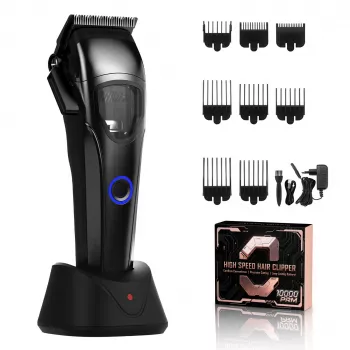
High-Speed Cordless Hair Clipper & T-Blade Trimmer Set for Men
A clipper-and-trimmer combo can simplify at-home fades, clean necklines, and detailed edging without juggling multiple tools. This high-speed cordless set pairs a full-size clipper for bulk cutting with a T-blade trimmer for sharp lines, making it a practical choice for quick weekly maintenance or full haircuts when time is tight.
What This Set Is Designed to Do
- Handle two jobs with one kit: a larger clipper for fast removal and blending, plus a T-blade trimmer for crisp outlines and tight detailing.
- Support common men’s styles such as fades, tapers, buzz cuts, crew cuts, and beard/neck cleanups.
- Reduce cable clutter with cordless use while keeping enough power for steady cutting through dense areas.
- Make touch-ups easier between barbershop visits, especially around sideburns, ears, neckline, and beard lines.
Clipper vs. T-Blade Trimmer: When to Use Each
Using the right tool at the right time is the difference between a haircut that looks “fine” and one that looks finished.
- Use the clipper for bulk cutting: removing length quickly, shaping the top/sides, and working through thicker sections.
- Use the T-blade trimmer for precision: edging hairlines, squaring the nape, cleaning around ears, and detailing beard lines.
- For fades, start with the clipper using longer guards, then step down gradually; finish with the trimmer for the final outline.
- For a buzz cut, the clipper does most of the work; the trimmer is ideal for sharpening the perimeter and cleaning the neck.
Performance Factors That Matter for Clean, Comfortable Cuts
Motor speed and torque
Higher-speed cutting can help reduce snagging and repeated passes, especially on coarse hair or fast-growing areas. The goal is consistent cutting as you move—without needing to “fight” the tool.
Blade sharpness and alignment
Sharp, well-aligned blades make lineups and edging look intentional instead of fuzzy. Trimmers are especially sensitive to alignment: if a trimmer feels too aggressive on skin, it may need adjustment before the next use.
Noise and vibration control
Lower vibration helps keep your hand steady, which matters most around the ears, temples, and mustache/beard corners where small slips show up immediately.
Cordless runtime and charging consistency
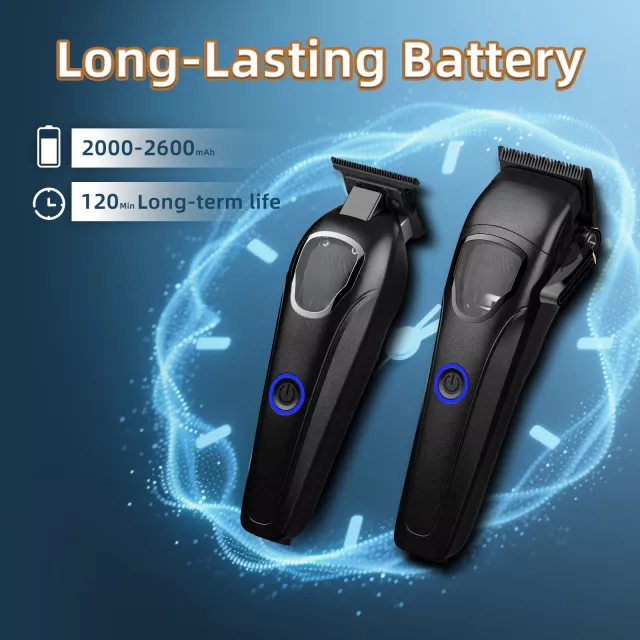
For at-home cuts, steady power from start to finish matters more than short bursts of peak performance. Charging before longer sessions helps prevent slowdowns mid-cut.
Weight and grip
A balanced body and secure grip reduce hand fatigue—particularly when you’re detailing with short strokes or using a mirror to clean up the back of the neck.
Quick Comparison Checklist for This Set
Feature Checklist and Why It Matters
| Feature | Why it helps | Practical tip |
|---|---|---|
| High-speed cutting | Fewer passes and less pulling on thicker hair | Move slowly through dense spots; let the blades do the work |
| Cordless operation | Better control and freedom of movement | Charge before longer cuts; keep the charger accessible for top-ups |
| Clipper for bulk cutting | Fast length reduction and blending | Start with a longer guard than expected, then step down |
| T-blade trimmer for edging | Crisp lines at hairline, beard, and neckline | Use light pressure and short strokes to avoid irritation |
| Blade upkeep (cleaning/oiling) | Maintains smooth cutting and extends blade life | Brush hair out after each use; oil lightly as needed |
How to Use the Set for a Simple At-Home Fade
If your skin is prone to irritation during edging or shaving nearby areas, a few technique tweaks can help. The American Academy of Dermatology Association has practical guidance on reducing irritation during shaving and touch-ups: https://www.aad.org/public/everyday-care/skin-care-basics/hair/tips-for-shaving.
Care and Maintenance for Reliable, Smooth Cutting
- Remove loose hair after each session: trapped hair can increase heat and reduce performance.
- Clean blades periodically: follow the product’s guidance for safe cleaning and drying. For general household cleaning best practices, see the CDC: https://www.cdc.gov/hygiene/cleaning/index.html.
- Oil sparingly: a small amount reduces friction and helps prevent tugging and noise.
- Check alignment: if the trimmer starts to feel sharp on skin, blade alignment may need adjustment; avoid overexposing the cutting edge.
- Store safely: keep the set dry, protected from drops, and away from humid bathrooms when possible.
If you’re dealing with bumps after close edging around the neck or beard line, it may be related to ingrown hairs. Mayo Clinic provides a helpful overview of causes and prevention: https://www.mayoclinic.org/diseases-conditions/ingrown-hair/symptoms-causes/syc-20373893.
Who This Set Fits Best
Product Options (In Stock)
- High-Speed Cordless Hair Clipper & T-Blade Trimmer Set for Men — a combo kit built for bulk cutting plus detailing and edging. In stock at the time of listing; check the product page for current availability, included accessories, and latest pricing.
- Men’s Genuine Leather Cowboy Belt with Copper Buckle for Jeans — a simple add-on for gift bundles or travel packing when pulling together a polished, everyday look.
FAQ
Can a T-blade trimmer replace a clipper for a full haircut?
A T-blade trimmer is best for edging and detailing, but it’s slower and less efficient for removing bulk hair. For full haircuts and blending, a clipper is the better tool, with the trimmer used to finish the perimeter.
How often should clipper and trimmer blades be oiled?
Oil lightly as needed based on how often you cut—more frequent use usually means more frequent oiling. Always brush hair out first, then apply a small amount to avoid buildup and keep cutting smooth.
What guard length should be used to start a first at-home cut?
Start longer than you think you need, then step down gradually to avoid going too short. Testing a small, less visible area first can help you confirm the length before committing to the full cut.















Leave a comment