3.2-Inch Baby Monitor: Night Vision, VOX & Two-Way Talk
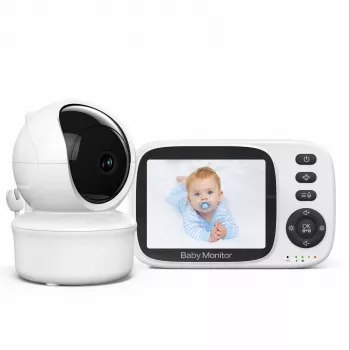
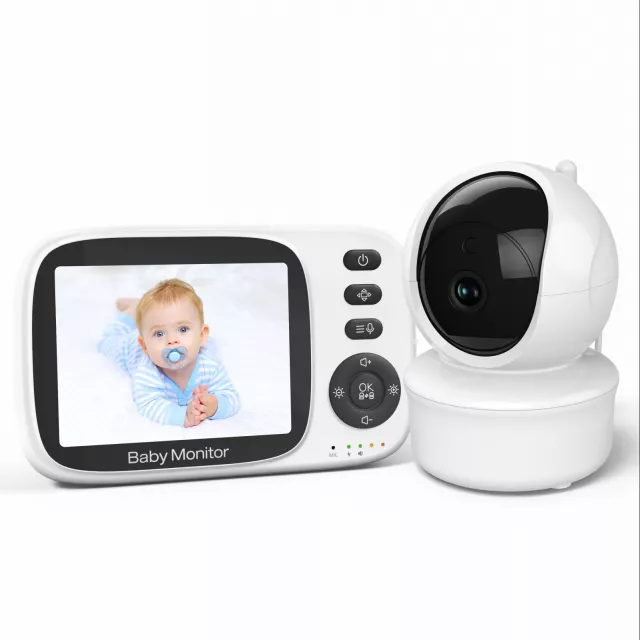
3.2″ Baby Monitor with Night Vision, VOX Mode & Two-Way Audio
A clear picture after lights-out, fewer unnecessary screen wake-ups, and a quick way to soothe baby from another room can make nights feel more manageable. This 3.2″ monitor pairs night vision with VOX sound activation and two-way audio to help keep an ear (and eye) on naps and bedtime without hovering.
What Makes This Monitor Practical for Everyday Use
When a baby monitor is easy to live with, it tends to get used consistently—which is exactly what most caregivers want during busy days and long nights. This model focuses on the core features that matter most for quick, confident check-ins.
- 3.2″ screen offers an at-a-glance view that’s easy to check during chores or overnight.
- Night vision supports visibility in a dark nursery without turning on lights that may disturb sleep.
- VOX mode activates the screen/audio when sound is detected, helping reduce constant monitoring.
- Two-way audio enables calming baby with a familiar voice without entering the room immediately.
- Dedicated monitoring keeps check-ins simple without relying on a phone for every glance.
For families balancing sleep schedules, laundry, and everything else, this combination tends to reduce “just in case” trips to the nursery while still keeping caregivers responsive when baby actually needs attention.
Night Vision: Clear Checks Without Disrupting Sleep
Night vision is one of those features that quickly becomes non-negotiable once it’s part of the routine. Instead of opening the door wider or flipping on a lamp (and potentially resetting everyone’s sleepiness), you can confirm what’s going on with minimal disruption.
- Helps confirm baby’s position and comfort in low light without opening doors wide or switching on lamps.
- Useful for room-sharing setups, nursery corners, and overnight wake-ups where minimal light is preferred.
- Pairs well with a consistent bedtime routine by keeping the environment calm and dark.
- Tip: Position the camera to capture the full sleep area and avoid direct reflections from glossy surfaces.
| Feature | What it helps with | When it matters most |
|---|---|---|
| Night vision | See in the dark without extra lighting | Overnight checks, dark nurseries |
| VOX sound activation | Reduces constant screen-on time | Light sleepers, nap monitoring |
| Two-way audio | Comfort baby with your voice | Short wake-ups, settling back down |
| 3.2″ display | Fast visual confirmation | Quick check-ins while multitasking |
It’s also a good reminder that a monitor is meant to support safe habits—not replace them. For trusted guidance on sleep environment basics, review the American Academy of Pediatrics’ Safe Sleep Recommendations.
VOX Mode: Smarter Alerts and Quieter Nights
VOX mode (sound activation) is especially helpful for caregivers who don’t want a screen glowing all evening or who find themselves checking a live feed repeatedly “just because it’s on.” With VOX enabled, the monitor stays quieter until baby makes enough noise to trigger it.
- Sound-activated monitoring can keep the display quieter until baby needs attention.
- Helps avoid repeatedly checking a live feed when the room is already calm.
- Supports a more restful routine for caregivers who prefer fewer notifications and less screen time.
- Tip: Set the sensitivity so normal household noise doesn’t trigger frequent wake-ups.
If you have a louder home (siblings, pets, TV in the next room), dialing in sensitivity can make the difference between helpful alerts and unnecessary interruptions. A quick test during typical evening noise levels usually gets settings close to “set it and forget it.”
Two-Way Audio: Comfort Without Rushing In
Two-way audio can be a small feature with a big impact: sometimes a calm voice is enough to help baby settle through a brief fuss without turning it into a full wake-up. It also gives caregivers a way to respond while staying hands-free for a moment.
- Lets baby hear a reassuring voice during brief fussing before escalating to a full wake-up.
- Useful for separation-anxiety phases or when baby settles with gentle verbal cues.
- Can help coordinate caregiving: one person can speak while another prepares a bottle or diaper change.
- Tip: Keep responses calm and consistent (short phrases, soft tone) to reinforce sleep cues.
For safety, keep the sleep space clear and crib setup aligned with current standards. The U.S. Consumer Product Safety Commission provides helpful crib and nursery safety information at CPSC Nursery Product Safety.
Setup and Placement Tips for a Better View
A monitor works best when it’s positioned thoughtfully. A few small placement choices can improve visibility and reduce the temptation to constantly adjust the camera or reposition the crib.
Who This Monitor Fits Best
Shop Related Picks
- 3.2″ Baby Monitor with Night Vision, VOX Mode & Two-Way Audio
- Twin Size Upholstered Bed with LED Lights and Crown Headboard
FAQ
How does VOX mode work on a baby monitor?
VOX uses sound detection to turn on the screen and/or audio when your baby makes noise, then returns to standby when the room is quiet again. Adjusting sensitivity helps reduce false triggers from background sounds like TV or conversations.
Can two-way audio help baby fall back asleep?
It can—many babies respond to a familiar, calm voice during brief fussing and settle without a full wake-up. Keep responses consistent and soothing, and continue following safe sleep and normal caregiving practices if baby needs hands-on help.
Where should the camera be placed for the best night vision view?
Place the camera in a stable, elevated position aimed to capture the full sleep area, and keep cords and mounting hardware well out of reach. Test the view with the lights off to confirm coverage and reduce glare from reflective surfaces.














Leave a comment