Cult Women’s Black Leather Ankle Boots: Fit, Style & Care
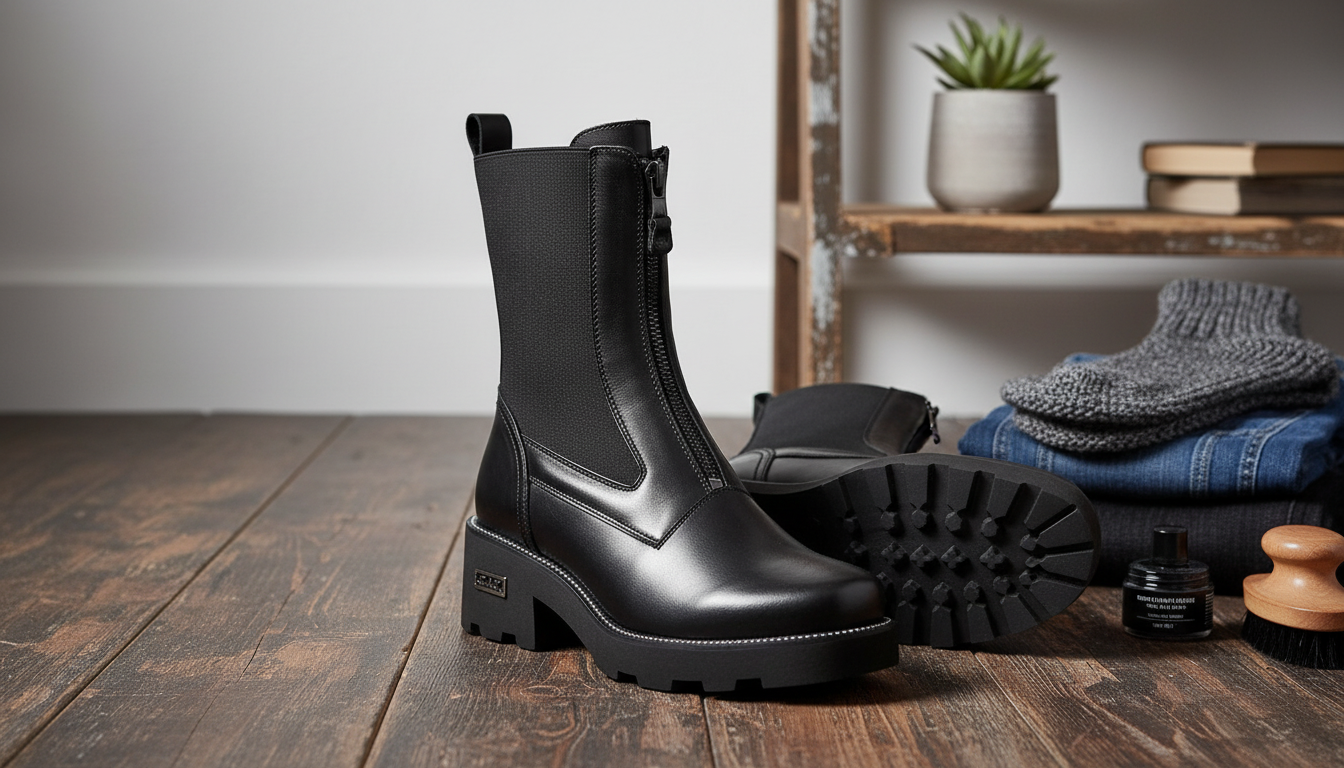
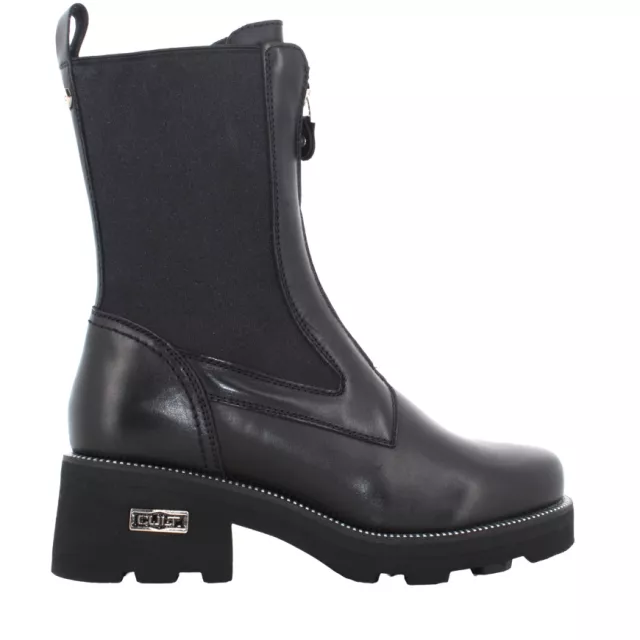
Cult Women’s Black Leather Ankle Boots
A black leather ankle boot is a year-round staple: easy to dress up, tough enough for daily wear, and versatile across denim, tailoring, and skirts. This pair from Cult focuses on a clean, confident look that works for city commutes, nights out, and everything between—while keeping the practicality of an ankle-height silhouette.
At a Glance
- Brand/style: Cult women’s ankle boots in black leather
- Versatility: a streamlined silhouette that pairs well with both casual and polished outfits
- Availability: in stock, with straightforward pricing for a wardrobe-workhorse purchase
Product snapshot
| Detail | Value |
|---|---|
| Product | Cult Women’s Black Leather Ankle Boots |
| Color | Black |
| Material | Leather |
| Price | 93.51 USD |
| Availability | In stock |
| MPN | 56647 |
| SKU | 1:1 |
Why Ankle Boots Earn a Permanent Place in the Closet
- All-season wear: ankle height works with bare ankles in warm months and with socks or tights in colder weather.
- Balanced coverage: more structure than flats or sneakers, less commitment than knee-high boots.
- Easy outfit anchor: black leather creates a clean line that complements most color palettes and textures.
- Day-to-night flexibility: swap a tee for a blazer or a knit for a slip dress without changing footwear.
- Travel-friendly choice: ankle boots can cover multiple dress codes while keeping luggage light.
That practicality is what makes a pair like the Cult Women’s Black Leather Ankle Boots feel like a smart “repeat” shoe: you can build outfits around them without having to overthink proportions or color matching.
Leather: Look, Feel, and What to Expect Over Time
- Leather typically softens with wear, gradually adapting to the foot shape for a more personal fit.
- Natural variation is normal: slight differences in grain and finish are common across leather products.
- Scuffs and creases will happen with daily use; regular cleaning and conditioning helps maintain a polished appearance.
- Black leather is especially forgiving for styling and touch-ups, making it a dependable everyday choice.
- For long-term wear, rotate shoes when possible to allow materials to rest and dry between uses.
For deeper guidance on responsible leather practices and long-term care perspectives, see the Leather Working Group and museum-level care notes like the Smithsonian Museum Conservation Institute’s leather resources (MCI) and The Met’s collection care guidance (The Met).
Fit Notes: Getting the Right Size and Feel
- Start with the intended use: thicker socks in winter can change fit, especially through the toe box and instep.
- Ankle area comfort matters: the boot should feel secure without sharp pressure points around the collar.
- Walk-test at home: check heel lift, toe room, and whether the boot rubs at the ankle bone.
- Break-in should be gradual: short wears first, then increase time as the leather relaxes.
- If between sizes: consider foot width and sock thickness; a snug leather boot can loosen slightly, while an overly loose boot may remain unstable.
A good fit in an ankle boot should feel supportive through the midfoot while still allowing natural movement at the ankle. If the boot feels tight across the top of the foot (instep), give it a few short wears—leather often relaxes there first—but don’t expect extra length to appear over time.
Styling Ideas for Black Leather Ankle Boots
- With straight-leg jeans: choose a slight crop or a neat cuff to highlight the ankle line.
- With skinny jeans or leggings: balance the silhouette with an oversized blazer, trench, or chunky knit.
- With dresses: pair with a midi length for an elongated look; add tights when temperatures drop.
- With tailoring: ankle boots sharpen wide-leg trousers and can modernize a classic suit.
- Texture mixing: leather boots pair well with denim, wool, satin, and knitwear—keep accessories minimal for a clean, confident finish.
If your goal is a sleek line, aim for a hem that either ends just above the boot shaft or falls cleanly over it—anything that bunches at the ankle can interrupt the polished effect that black leather does best.
Care Routine for Leather Ankle Boots
- After wear: wipe with a soft, dry cloth to remove dust and surface grime.
- Occasional cleaning: use a leather-appropriate cleaner sparingly; avoid soaking the leather.
- Conditioning: apply a thin layer of leather conditioner when the leather looks dry to help reduce cracking over time.
- Weather readiness: consider a suitable water-repellent product designed for leather; always spot-test first.
- Storage: keep away from direct heat and sunlight; use boot shapers or stuff with paper to help maintain shape.
| Task | Practical cadence | What to look for |
|---|---|---|
| Dry wipe-down | After most wears | Dust at seams, road salt film, dull surface |
| Light cleaning | Every few weeks (or as needed) | Visible grime, scuffs that don’t buff out |
| Conditioning | Every 1–3 months | Leather feels dry, looks less supple or slightly ashy |
| Water-repellent treatment | Seasonally | Rain/snow in forecast; wear in wet commutes |
When to Reach for This Pair
In-Stock Picks to Shop
- Cult Women’s Black Leather Ankle Boots
- Men’s Genuine Leather Cowboy Belt with Copper Buckle for Jeans
FAQ
Do leather ankle boots stretch with wear?
Leather can relax slightly in width and mold to your foot shape over time, especially across the instep and toe box. The length typically won’t increase, so focus on getting the right size length-wise and break them in gradually with the socks you plan to wear.
How often should leather boots be conditioned?
A practical cadence is every 1–3 months depending on wear and climate. Condition when the leather looks dull or feels dry, and avoid over-conditioning—too much product can leave the surface feeling heavy or attract more dirt.
What outfits work best with black ankle boots?
They pair easily with straight-leg or skinny jeans, tailored trousers, and midi dresses. For the cleanest look, choose a slight crop or cuff (or a trouser hem that falls smoothly) so the ankle line reads intentional instead of bunched.














Leave a comment