Long-Cord High-Temp Steam Cleaner: Whole-Home Deep Clean
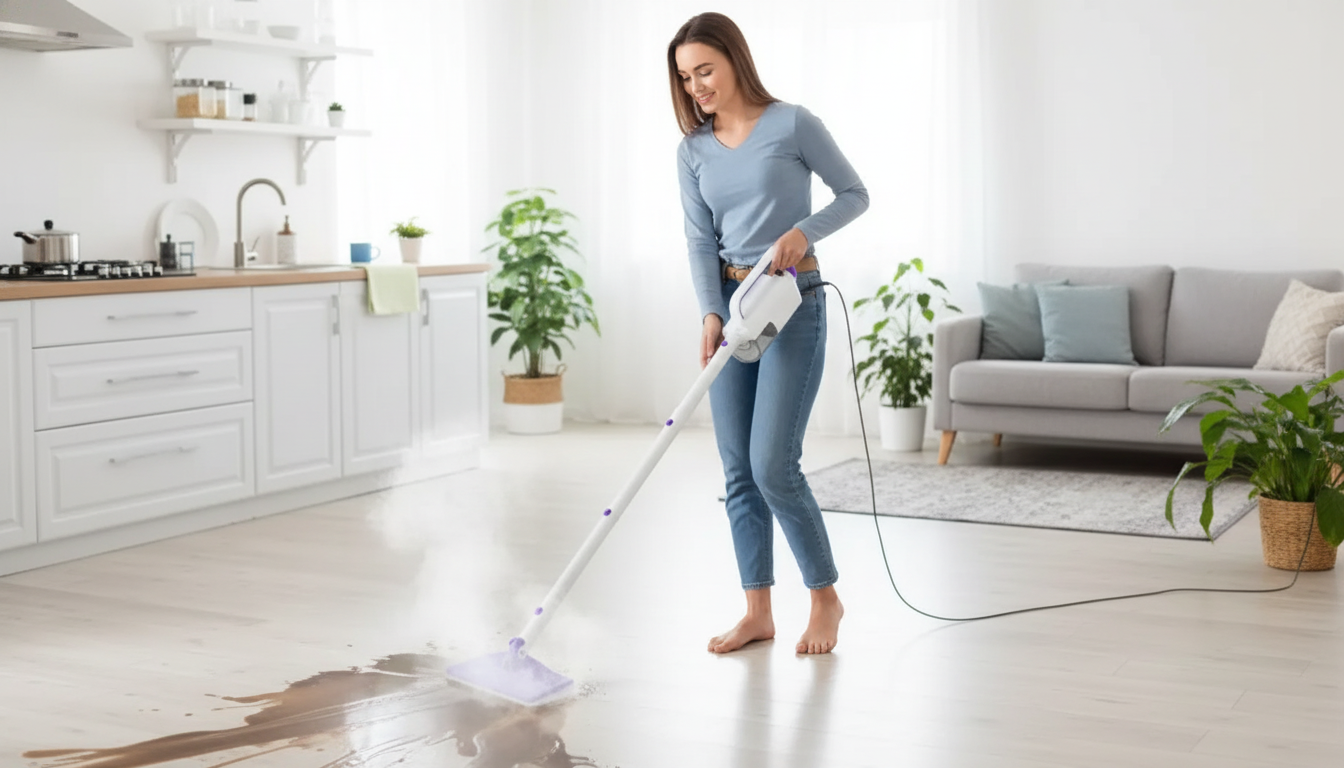
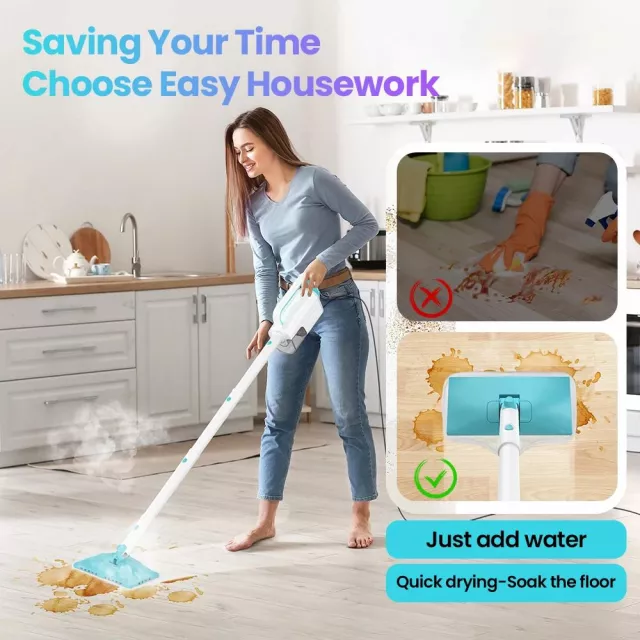
High-Temp Steam Cleaner with Long Cord for Whole-Home Deep Cleaning
A high-temperature steam cleaner paired with an extra-long power cord makes whole-home deep cleaning feel far less stop-and-go. Instead of constantly unplugging and hunting for the next outlet, you can keep a steady rhythm—moving from bathrooms to kitchens to living spaces with consistent heat, moisture, and the right attachments. Steam is especially useful when you want to cut through built-up grime, freshen fabrics, and reduce germs on many sealed surfaces while using little to no chemical cleaner. Below is a practical guide to how steam works, where it shines (and where it doesn’t), and a room-by-room routine that keeps results looking crisp rather than streaky or over-wet.
What high-temperature steam cleaning does well
- Loosens stuck-on residue like soap scum, greasy film, and dried splatters so you can wipe them away instead of scraping or over-scrubbing.
- Helps reduce bacteria and some pathogens on hard, non-porous surfaces when used correctly—think slow passes, enough heat, and a little contact time before wiping.
- Gets into tight areas such as grout lines, shower tracks, and edges around fixtures using detail nozzles and small brushes.
- Refreshes soft surfaces (upholstery, mattresses) by lifting light surface soils and odors—best done with quick, light passes to avoid soaking.
For guidance on cleaning vs. disinfecting in everyday spaces, see the CDC’s overview of best practices: CDC — Cleaning and Disinfecting Your Facility.
Why a long power cord changes whole-home cleaning
- Covers more square footage per outlet, which is handy for hallways, open-plan living areas, and multi-step stair cleaning.
- Reduces interruption time from unplugging, rewrapping, relocating, and waiting to get set up again.
- Improves handling and control by minimizing mid-task repositioning while the tool is hot and actively steaming.
- Supports a clean workflow: you can start with vertical surfaces (tile, walls, cabinet fronts) and finish on floors without constantly resetting.
Cord planning for fewer outlet changes
| Area | Typical outlet strategy | Tip to keep momentum |
|---|---|---|
| Bathroom | One outlet near vanity | Work from shower/tile to fixtures, then floor last |
| Kitchen | One outlet near backsplash | Do counters/appliances first, then cabinet fronts |
| Living areas | One outlet along perimeter wall | Steam spot-treat traffic lanes, then baseboards |
| Bedrooms | One outlet near door or nightstand | Refresh mattress edges and frames before floors |
| Stairs/hall | Top or bottom landing outlet | Move step-by-step with hose/cord behind you |
Where steam is a great choice (and where it isn’t)
Great for: sealed tile and grout, porcelain and fiberglass showers, sinks and faucets, oven exteriors, stovetop surrounds, sealed countertops (verify your material), glass and mirrors with a cloth/squeegee tool, stainless steel (best finished with a dry wipe), sealed hardwood spot cleaning (quick, light passes only), and vinyl/laminate if you keep steam moving and don’t linger.
Use caution or avoid: unsealed wood, waxed floors, porous stone (marble, limestone, travertine) unless the stone sealer manufacturer approves steam, delicate paint, antique finishes, steam-sensitive adhesives, and anywhere steam could be driven into electrical openings (outlets, switches, vents).
Always test a small hidden spot first. Keep the nozzle moving and wipe condensation promptly to prevent water marks and swelling at edges and seams. For a broader overview of safer cleaning approaches, the EPA’s Safer Choice program is a helpful reference: EPA — Using Safer Choice Products.
A practical whole-home deep-clean routine (room by room)
Quick attachment guide for common tasks
| Task | Best attachment style | Technique note |
|---|---|---|
| Grout lines and corners | Detail nozzle + small brush | Slow passes, then wipe while warm |
| Shower doors and glass | Squeegee/cloth tool | Steam lightly; squeegee and dry edges |
| Stove surround and knobs | Brush + cloth | Avoid flooding seams; wipe residue right away |
| Baseboards and trim | Angled nozzle/cloth tool | Keep steam moving; wipe to protect paint |
| Upholstery and mattresses | Fabric bonnet/cloth cover | Quick passes; allow full drying time |
Safety, handling, and finish quality
For additional home cleaning guidance, see: Mayo Clinic — Cleaning and disinfecting your home.
Care and upkeep for consistent performance
Product options to support a whole-home routine
- High-Temp Steam Cleaner with Long Cord for Whole-Home Deep Cleaning ($53.01) — built for fewer outlet changes and steady, room-by-room sessions.
- Large Dog Slicker Brush & Comb Set for Doodles, Poodles and Long Coats ($24.51) — useful for reducing pet hair on furniture and bedding before you steam, so you’re not sealing hair into damp fabric.
- Twin Size Upholstered Bed with LED Lights and Crown Headboard ($734.77) — upholstered headboards benefit from occasional light fabric steaming; always use quick passes and allow full drying.
At-a-glance
| Item | Price | Availability |
|---|---|---|
| High-Temp Steam Cleaner with Long Cord for Whole-Home Deep Cleaning | $53.01 | In stock |
FAQ
Can a high-temperature steam cleaner sanitize surfaces without chemicals?
On hard, non-porous surfaces, high heat plus proper technique (slow passes, brief contact time, and wiping with a clean cloth) can reduce germs with little to no chemical cleaner. It’s still not a medical-grade sterilizer, so use appropriate products and methods for high-risk situations.
Is steam safe on hardwood, laminate, or vinyl floors?
Steam can be used cautiously on sealed floors with quick passes, minimal moisture, and immediate drying. Avoid unsealed wood and waxed finishes, and always test a small inconspicuous spot first—especially near seams and edges.
How long does it take for upholstery or mattresses to dry after steaming?
With light steaming, many fabrics dry in a few hours when you use airflow like fans or open windows. If the fabric feels damp, it was likely over-saturated—pause, blot with a clean towel, and allow extra time to dry fully before use.














Leave a comment