Easy-Grip Stainless Clam Pliers for Safer Shell Opening
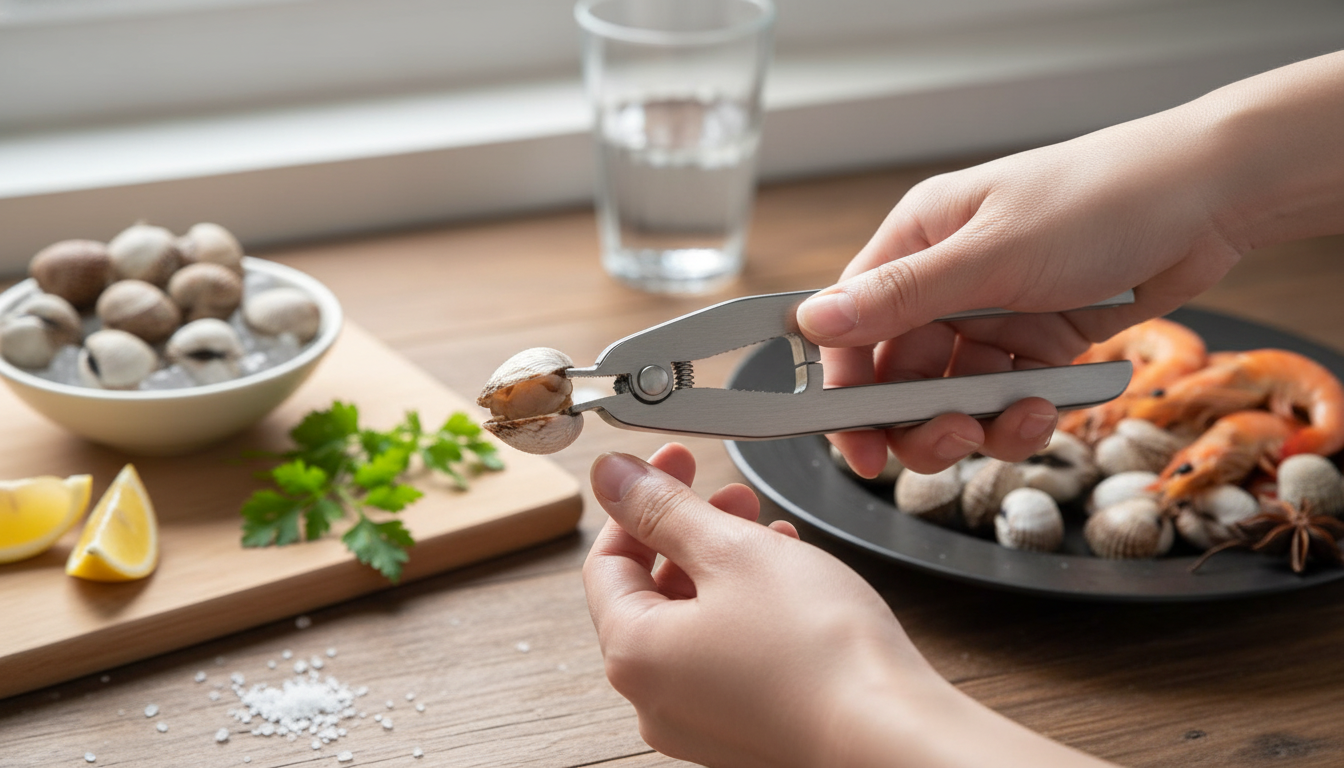
Stainless Steel Clam Opening Pliers for Safer, Faster Shellfish Prep
Opening clams and other shellfish at home can be messy and risky without the right tool. Stainless steel clam opening pliers are designed to help separate shells with controlled pressure, while an easy-grip handle supports steadier handling for beginners and frequent seafood nights alike. Instead of wrestling with a slippery shell and a standard knife, pliers-style leverage helps you work with the seam more confidently and with less strain.
What clam opening pliers do (and when they help most)
Clam opening pliers are built to create leverage at the shell seam so you can separate shells with less twisting and fewer slips than relying on a knife alone. Because the tool grips and pries in a controlled way, it’s especially helpful when you’re opening several clams in a row and want consistent results.
- Designed to create leverage at the shell seam so the shell can be separated with less twisting and fewer slips than using a standard knife alone
- Useful for raw clam prep, serving platters, and kitchen workflows where multiple shells need to be opened consistently
- A practical option for home cooks who want a dedicated shell opener tool without learning advanced shucking technique first
- Also handy for certain small shellfish where controlled gripping and prying is preferred over striking or cracking
For many home kitchens, the biggest benefit is control: the tool helps direct pressure exactly where you want it, which can reduce chipped edges and make the process feel more predictable.
Key design features that matter in the kitchen
Not all shellfish tools feel the same in-hand. The details below tend to make a noticeable difference once shells are wet, hands are cold, and you’re working through a batch.
- Stainless steel construction supports durability and easier cleanup after contact with saltwater and seafood juices
- Easy-grip handle profile helps reduce hand fatigue during batches and improves control when shells are wet
- Pliers-style leverage concentrates force at the opening point, helping reduce shell fragmentation during opening
- Compact storage footprint fits easily in utensil drawers or seafood tool kits
A smooth hinge action matters, too. When the pivot point opens and closes easily, it’s simpler to make small adjustments along the seam without over-squeezing.
Quick start: how to open clams with pliers (safe, clean steps)
Clean, steady technique is the difference between a neat opening and a scattered mess of shell chips. These steps aim for control first, speed second.
- Chill the clams for a few minutes before opening to make handling steadier and reduce slipping
- Rinse and scrub shells under cold running water to remove sand and grit from the seam
- Locate the hinge/seam and position the pliers at the edge where the shells naturally meet
- Apply slow, controlled pressure to begin separation; avoid sudden squeezing that can chip shells
- Once the seam loosens, work along the edge gradually instead of forcing a single pry point
- Keep fingers clear of the opening path and work over a tray to catch any liquid
- If resistance is high, reposition closer to the hinge rather than increasing force abruptly
Safer opening checklist
| Step | Goal | Tip |
|---|---|---|
| Rinse and scrub | Remove grit | Focus on the seam/hinge area |
| Stabilize the clam | Prevent slipping | Use a towel or non-slip mat |
| Position at seam | Create leverage | Start near the hinge when possible |
| Squeeze gradually | Control shell split | Avoid sudden force |
| Work along edge | Clean separation | Reposition often for stubborn shells |
For food-safety basics while handling shellfish—especially keeping them cold and avoiding cross-contamination—review guidance from the USDA Food Safety and Inspection Service and the FDA.
Choosing the right shell opener tool for the job
The best tool is the one that feels stable, predictable, and easy to clean after a seafood night.
- For frequent seafood prep: prioritize sturdy stainless steel, a comfortable grip, and smooth hinge movement
- For occasional use: look for a simple, easy-to-clean design that stores easily and feels secure in-hand
- For smaller hands or lower grip strength: an easy-grip handle and reliable leverage matters more than tool size
- For mixed shellfish nights: a pliers-style opener pairs well with a small seafood knife for final separation or trimming
Featured tool
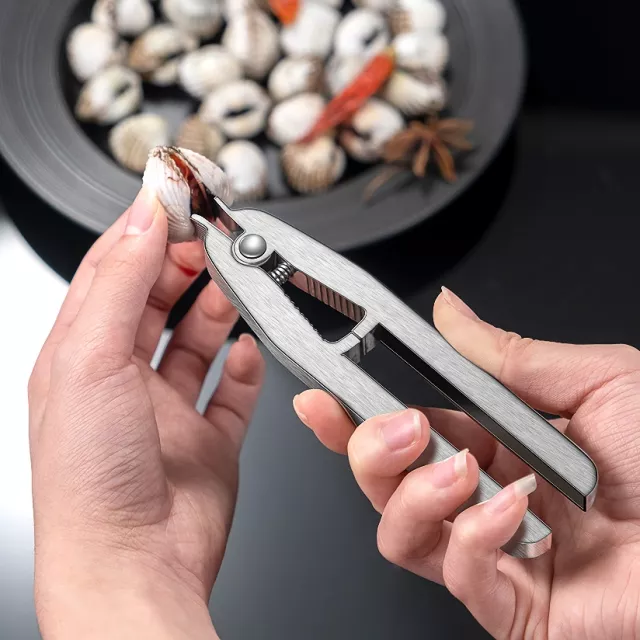
If you want a dedicated opener that’s straightforward to use, consider the Stainless Steel Clam Opening Pliers – Easy Grip Seafood Shell Opener Tool. It’s designed for controlled prying at the seam, with a comfortable handle that’s easier to manage when shells are wet.
More items available in our store
- Men’s Genuine Leather Cowboy Belt with Copper Buckle for Jeans
- Large Dog Slicker Brush & Comb Set for Doodles, Poodles and Long Coats
- Twin Size Upholstered Bed with LED Lights and Crown Headboard
Care and cleaning for stainless steel seafood tools
Seafood juices and salt residue can cling in the joint and around the hinge, so quick cleanup helps the tool stay smooth and odor-free.
Common problems and quick fixes
FAQ
Can clam opening pliers be used for oysters?
They can help with grip on some shells, but oysters typically call for an oyster knife and proper technique because the hinge and shell shape are different. If you try pliers, prioritize hand protection and stop if the shell isn’t responding to controlled pressure.
How do clams stay safe to eat after opening?
Keep clams cold before and after opening, discard any that smell off, and avoid cross-contamination by using clean trays and utensils. Cook promptly when the recipe requires it and follow reputable shellfish-handling guidance for storage and temperature.
How should a stainless steel shell opener be cleaned after seafood prep?
Rinse it right away, wash with warm soapy water, and brush around the hinge to remove trapped residue. Dry thoroughly and avoid prolonged soaking in salty water to help maintain smooth hinge action.















Leave a comment