Universal Seat Belt Extender Cover: Comfort Without Compromise
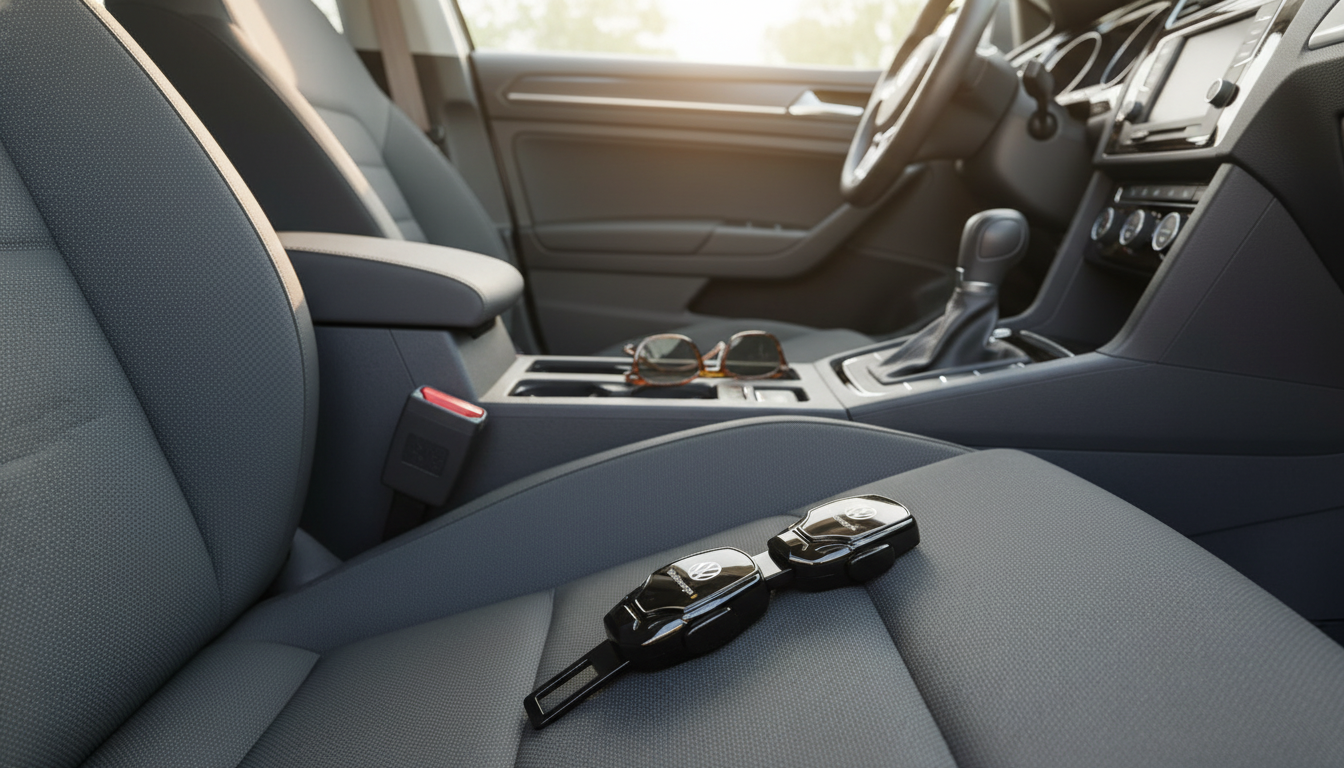
Universal Seat Belt Extender Cover: Comfort Upgrades That Keep Safety in Mind
Seat belt extenders can make buckling easier, but the added hardware and extra strap length may introduce new pressure points, rubbing, and distracting movement. A universal extender cover is a simple add-on designed to cushion contact areas, reduce irritation, and help the belt sit more comfortably during everyday driving—without interfering with proper belt use.
Why an Extender Cover Can Make a Noticeable Difference
Extenders solve one problem (reach and access), but the extra buckle section and webbing can shift where you feel pressure. A well-fitting cover adds a soft barrier right where discomfort tends to show up.
- Soft cushioning helps reduce rubbing on the neck, collarbone, and shoulder on longer drives.
- Extra padding can minimize pressure hotspots caused by an extender’s added buckle area.
- Less chafing for sensitive skin and for drivers/passengers wearing light fabrics.
- Helps tame belt edges that can dig in when seating position is upright.
- A comfort-focused add-on that can make it easier to keep the belt worn correctly for the full trip.
Comfort matters because discomfort tends to lead to constant re-positioning, loosening, or tucking the belt behind the back—habits that can reduce protection. A small comfort upgrade can support better seat belt consistency on commutes, rideshares, and road trips.
Safety Basics: What a Cover Should (and Shouldn’t) Do
A cover should make contact points softer—not change how the restraint system works. For general seat belt safety guidance, review resources from the National Highway Traffic Safety Administration (NHTSA) and belt fit guidance from the Insurance Institute for Highway Safety (IIHS).
- Should cushion contact points without changing how the belt routes across the body.
- Should not block the buckle, latch plate, or any part that must click securely.
- Should not create slack; the lap belt should remain low and snug across the hips.
- Should stay in place during entry/exit so it doesn’t distract the driver.
- Should be easy to remove so the belt and extender can still be inspected regularly.
Quick safety check before each drive
| Check | What to look for | If not OK |
|---|---|---|
| Buckle access | Buckle clicks normally; release button fully accessible | Reposition or remove the cover |
| Belt routing | Belt lies flat across chest and hips; no twisting | Flatten belt; adjust seat position |
| Slack | Belt retracts and stays snug | Check retractor; reduce bulky layering; remove cover if needed |
| Movement | Cover stays where placed; no sliding into buckle | Tighten placement or choose a better-fitting cover |
| Visibility | Nothing blocks indicator lights or interferes with booster/child seat paths | Remove and reconfigure setup |
Fit and Compatibility: Getting a Universal Cover to Sit Right
“Universal” typically means it’s designed to work with common seat belt widths and extender styles, but placement is what makes it feel truly custom. Start by identifying where discomfort happens most.
- Measure the belt width and note where discomfort occurs (neck, shoulder, buckle area) to place padding only where needed.
- Confirm the cover’s closure (wrap, hook-and-loop, snap, or sleeve) stays closed when the belt retracts.
- Check compatibility with extender styles (rigid buckle section vs. flexible webbing) so the cover doesn’t bunch up.
- Ensure it works with common seat positions: high back, low back, and angled seating in SUVs and trucks.
- If multiple drivers share the car, look for a cover that can be moved quickly without misrouting the belt.
A practical approach is to place padding on the shoulder portion first (where rubbing is common), then add coverage near the extender buckle area only if you actually feel pressure there.
Comfort Details That Matter on Real Trips
Not all padding feels the same once you’re 30 minutes into a drive. Small design details can determine whether a cover stays comfortable or becomes another thing to adjust.
Installation and Placement Tips
As a final habit, make sure the lap belt stays low across the hips (not the stomach) and the shoulder belt stays across the center of the chest. For broad seat belt use reminders and injury prevention context, see the CDC’s seat belt guidance.
Care, Cleaning, and Longevity
A Practical Option for Added Comfort
At-a-glance product details
| Item | Details |
|---|---|
| Product | Universal Car Seat Belt Extender Cover for Safety & Comfort |
| Category | Car Accessories |
| Price | 22.67 USD |
| Availability | In stock |
| Product page | https://veneralle.com/universal-car-seat-belt-extender-cover-for-safety-comfort/ |
More comfort-minded picks for day-to-day driving
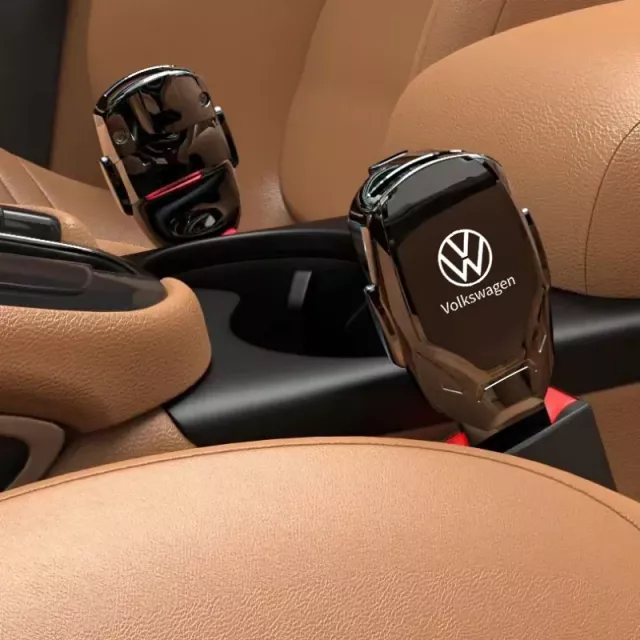
- Universal Car Seat Belt Extender Cover for Safety & Comfort for a softer contact point on the belt or extender area.
- Men’s Genuine Leather Cowboy Belt with Copper Buckle for Jeans for a secure, everyday belt that stays comfortable on long drives.
- Large Dog Slicker Brush & Comb Set for Doodles, Poodles and Long Coats for tidier, more comfortable travel with pet passengers (less shedding on seats and clothing).
FAQ
Can a seat belt extender cover interfere with buckling or releasing?
It shouldn’t. The cover must not block the release button or prevent the latch from clicking fully. If it crowds the buckle area or causes partial latching, reposition it or remove it.
Will a cover help if the belt rubs my neck or collarbone?
Often yes, especially when rubbing is caused by belt edges or pressure points. Place the padding where contact occurs while keeping the belt flat and correctly routed across the chest.
How do you keep the cover from sliding down toward the buckle?
Choose a secure closure, place it on the belt section that stays against the body, and test with normal entry/exit. If it drifts during retraction, adjust placement or use a better-fitting cover.














Leave a comment