Montessori Tree Screw Blocks: Fine-Motor Puzzle Toy
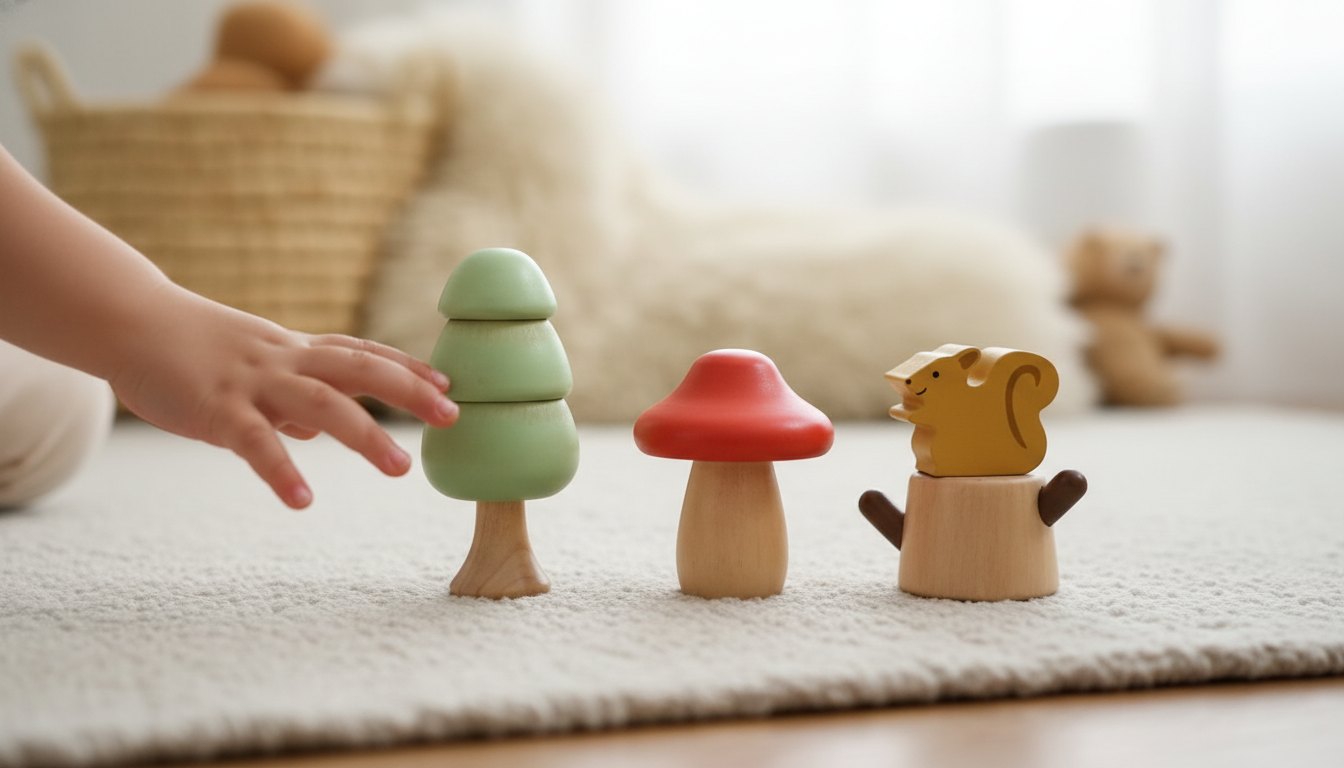
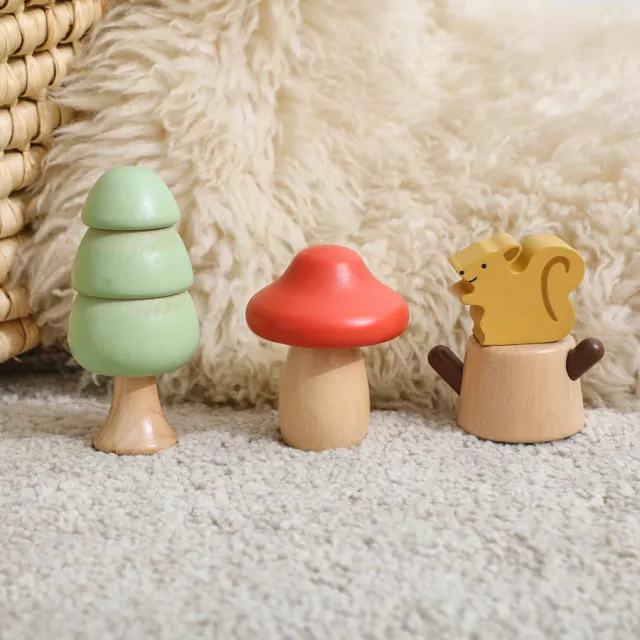
Wooden Montessori Tree Screw Blocks Toy – Educational Puzzle for Kids
A hands-on wooden screw-block puzzle shaped like a tree turns everyday “twist and fit” practice into focused play. The simple, repeatable action of threading pieces on and off supports fine-motor control, patience, and early problem-solving—ideal for quiet time, learning corners, or screen-free travel. For more guidance, see [PDF] Products Purchased on Temu or Shein – The Toy Association.
What this toy is and how it works
The Wooden Montessori Tree Screw Blocks Toy – Educational Puzzle for Kids is a tree-themed wooden base paired with chunky, screw-on block pieces sized for small hands. Children rotate each piece to thread it on and off, getting clear feedback from the wood as the piece catches, tightens, or needs realignment. For further reading, see Our Favorite Early Childhood Toy & Furniture Brands.
Because the action is simple, play stays open-ended. Kids can match pieces, stack them in patterns, sequence colors, or create mini “missions” like switching hands or building slowly and smoothly. Some children enjoy it as a quick 5–10 minute “reset” activity; others settle into longer independent play when they’re ready to build, undo, and rebuild.
Skills kids practice during screw-and-build play
Fine motor strength and dexterity
Repeated twisting supports grasp strength, pincer control, finger isolation, and hand endurance. The movement is similar to twisting bottle caps, turning doorknobs, or fastening and unfastening small lids—useful, practical-life motions that show up in everyday routines.
Bilateral coordination and hand stability
Most children naturally stabilize the base with one hand while turning the piece with the other. That “helper hand” skill matters for later tasks like cutting with scissors, opening containers, and holding paper steady while drawing.
Hand–eye coordination and self-correction
Threading encourages careful alignment. When a child feels resistance, they learn to pause, adjust the angle, and try again rather than forcing the piece—an early lesson in precision and gentle problem-solving.
Executive function and early language/math
Planning what to add next, sticking with a sequence, and checking their own work builds persistence. Along the way, kids often practice counting pieces, comparing sizes, naming colors, and describing steps (“First I twist, then I tighten”). For broader context on age-based development, the CDC’s milestone guidance can be a helpful reference: CDC: Developmental Milestones.
Play ideas that keep it engaging
“Build the tree” sequence
Invite your child to start at the bottom and work upward. This adds a simple logic rule (order matters) and helps them notice stability—if a piece isn’t fully threaded, the stack may wobble.
Color challenge
Before threading the next block, have your child name the color or find “two that match.” Another variation: sort the pieces by color first, then thread them in a repeating pattern (red-yellow-red-yellow).
Slow-motion twist
Encourage smooth turns rather than quick cranks. Slow twisting reduces skipped threads and strengthens control—especially helpful for kids who rush when they’re excited.
One-hand helper rule
Make the non-dominant hand the “tree keeper” that holds the base steady. Over time, this can improve coordination and reduce frustration caused by the base sliding.
Story prompts
Pretend the blocks are fruit or leaves. Ask simple questions while they build: “Which fruit goes on top?” “Can you make a fall tree with warm colors?” Narratives keep repetition from feeling repetitive.
Age guidance, supervision, and safety notes
This type of screw-and-build toy tends to shine for toddlers and preschoolers who are practicing practical movements like twisting caps and turning knobs. Readiness matters more than a specific number: some 18-month-olds love the motion right away, while some 2-year-olds prefer simpler posting or sorting until their hands feel more confident.
Quick guide: ages, focus skills, and simple activities
| Stage | Typical age range | Focus skills | Try this activity |
|---|---|---|---|
| Starter | 18–24 months | Grasp strength, turn-taking, attention span | Thread one piece at a time with an adult naming each step |
| Builder | 2–3 years | Bilateral coordination, sequencing, self-correction | Build from bottom to top; pause to “check tightness” gently |
| Problem-solver | 3–5 years | Planning, speed control, early math language | Time a calm build, then describe which piece went first/last |
Why wooden, hands-on puzzles remain a smart choice
When this toy is the right fit (and when to choose something else)
Product highlights and what’s included
The Wooden Montessori Tree Screw Blocks Toy – Educational Puzzle for Kids is a compact, giftable activity designed for hands-on learning. It stores easily, works well on a small tray, and encourages independent play once the child understands how threading works.
- Twin Size Upholstered Bed with LED Lights and Crown Headboard (a cozy bedroom upgrade for growing kids)
- Men’s Genuine Leather Cowboy Belt with Copper Buckle for Jeans (a classic, durable gift option for adults)
FAQ
What developmental skills does a screw-block toy support?
It supports fine motor strength, bilateral coordination, hand–eye coordination, patience, and early problem-solving. The twisting motion is similar to real-life tasks like turning bottle caps and fastening lids, helping kids build control through repetition.
What age is best for a wooden screw blocks puzzle?
Many toddlers and preschoolers enjoy it, often starting around 18 months and using it through about age 5. Readiness matters most, and younger children do best with close supervision and a quick demonstration of how to gently align and twist.
How can the toy be cleaned and stored safely?
Wipe it with a slightly damp cloth, then dry fully; avoid soaking wooden parts. Store pieces together in a small tray, basket, or bag, and regularly inspect for wear such as cracks or loosening.














Leave a comment