Soft Gauze Waterproof Newborn Bib With Rice Pocket
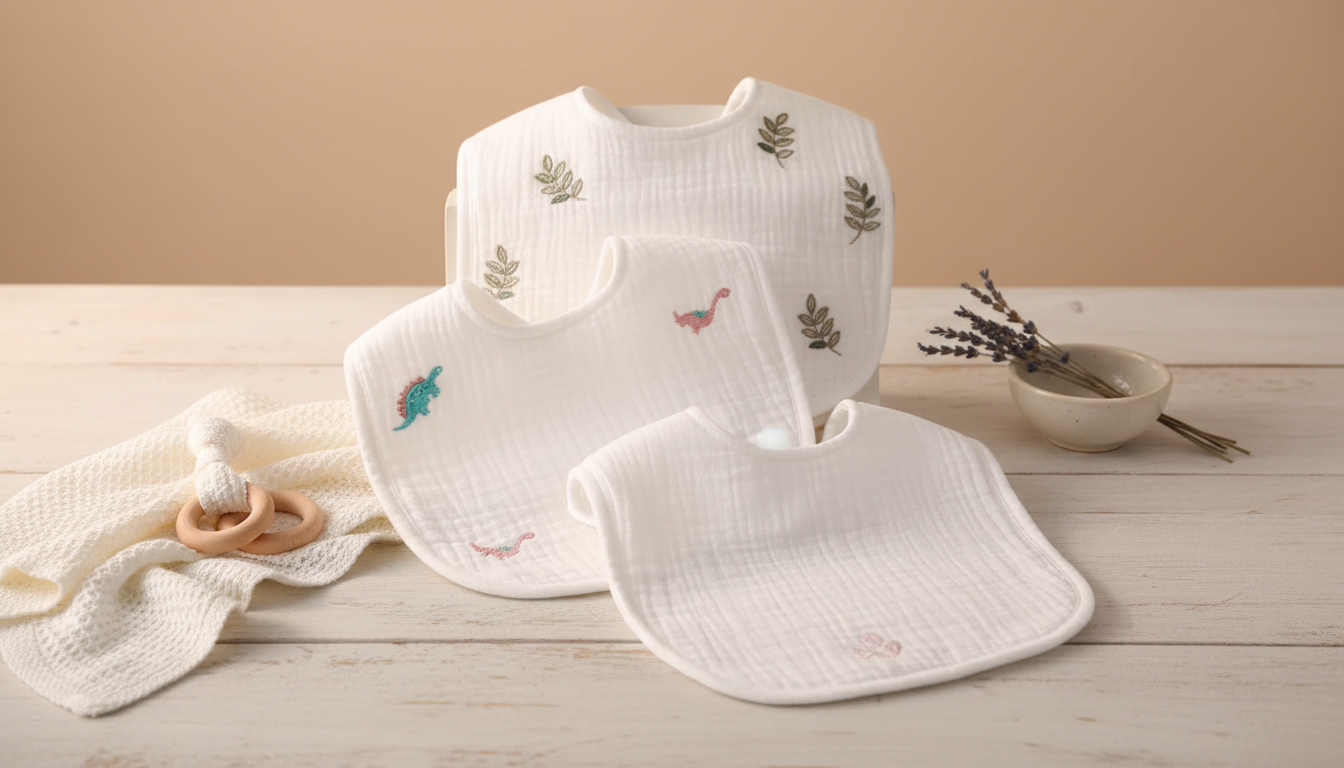
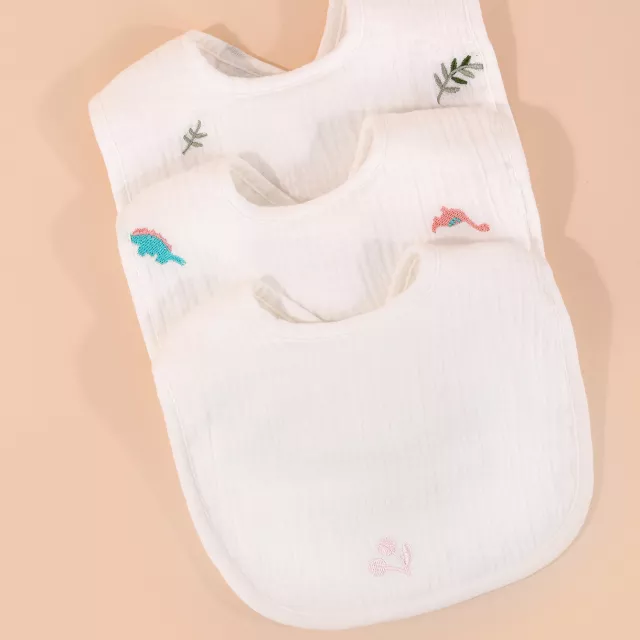
Waterproof Cotton Newborn Baby Bib with Soft Gauze and Rice Pocket
Constant drool, spit-up, and small dribbles during feeds can soak outfits fast—especially in the newborn stage. This cotton bib pairs a soft gauze surface with a waterproof layer to help keep baby’s chest dry, while the rice pocket design adds extra catch-and-hold coverage where moisture and crumbs often collect. For more guidance, see Waterproof Cotton Baby Bibs – Amazon.com.
If you’re building an everyday bib rotation for the early weeks, the Waterproof Cotton Newborn Baby Bib Soft Gauze Saliva Towel with Rice Pocket is a lightweight option designed for frequent changes throughout the day—at home, on stroller walks, or when you’re running quick errands. For further reading, see Organic & Waterproof Baby Bibs for Drool – Target.
What makes this bib different
- Soft gauze front designed to feel gentle against delicate newborn skin
- Waterproof inner layer helps block soak-through to clothing
- Rice pocket detail adds a small “catch zone” that can reduce drips running down the neckline
- Useful for milk dribbles, drool during teething phases, and short feeding sessions
- Lightweight option for everyday rotation at home or on outings
For many families, the biggest day-to-day win is fewer “full outfit” changes. When a bib absorbs the first layer of moisture and blocks the rest, baby stays more comfortable and clothing stays cleaner between feeds.
Comfort and skin-friendly wear for newborns
Newborn skin can react quickly to damp fabric rubbing under the chin. Gauze textures are commonly chosen for baby accessories because they feel breathable and less clingy when damp. A bib that stays soft when wet can help reduce rubbing around the neck and chin—especially during cluster feeding or periods of frequent drooling.
- Look for a fit that sits flat on the chest without pressing into the throat—especially when baby is in a car seat or carrier.
- If baby has sensitive skin, frequent bib changes and gentle detergents can help reduce irritation from trapped moisture.
It also helps to smooth the bib edges after fastening so the top edge doesn’t bunch into a ridge under the chin.
Waterproof protection without the “plastic feel”
The waterproof layer is meant to stop drool and spit-up from soaking through to outfits. Better outfit protection can mean fewer full clothing changes and less laundry between feeds. This can be especially helpful during the early months when spit-up is common and feeding sessions can be frequent.
- For heavy droolers, rotating multiple bibs through the day helps keep the surface dry against skin.
- If moisture begins to pool, swap promptly to keep the chin area comfortable.
| Part | Purpose | Best for |
|---|---|---|
| Gauze outer layer | Soft contact layer that absorbs initial moisture | Drool, light dribbles, gentle everyday wear |
| Waterproof middle/backing | Helps block soak-through to clothes | Spit-up, frequent drooling, daycare/outings |
| Rice pocket area | Adds catch space to hold drips/crumbs near the bib edge | Bottle feeds, early solids, messy moments |
When the rice pocket helps most
Pocketed bibs aren’t just for big mealtimes. A small pocket can help manage the “tiny but constant” mess that happens in the newborn stage—especially when milk escapes at the corners of the mouth and runs downward.
- During bottle feeds when small amounts often escape at the corners of the mouth
- For babies who drool down the front of the bib rather than to the sides
- As baby transitions to tasting purées, the pocket can help catch small drips before they hit clothing
- For quick cleanups: a pocketed bib can reduce the spread of moisture across the entire chest area
Even if you’re only doing milk feeds right now, the pocket can act like a “landing zone” for dribbles so the dampness doesn’t travel as easily onto the onesie.
Fit, fastening, and daily use tips
Safe sleep guidance is especially important with newborns. For additional details, review the American Academy of Pediatrics guidance here: American Academy of Pediatrics — Safe Sleep Recommendations.
Care and washing routine
| Task | How often | Why it helps |
|---|---|---|
| Swap bib | As soon as it feels damp | Reduces skin irritation and keeps baby comfortable |
| Wash | Daily or every 1–2 days (depending on use) | Prevents odor and buildup from milk/drool |
| Inspect seams/layering | Weekly | Ensures waterproof layer and stitching stay intact |
For broader feeding and safety considerations as baby grows, the CDC has a helpful overview: CDC — Infant and Toddler Nutrition.
Product details at a glance
| Item | Details |
|---|---|
| Product page | https://veneralle.com/waterproof-cotton-newborn-baby-bib-soft-gauze-saliva-towel-with-rice-pocket/ |
| MPN | 89842 |
| SKU | 14:200003699 |
| Stock status | In stock |
More in-stock picks
- Waterproof Cotton Newborn Baby Bib Soft Gauze Saliva Towel with Rice Pocket
- Men’s Genuine Leather Cowboy Belt with Copper Buckle for Jeans
- Large Dog Slicker Brush & Comb Set for Doodles, Poodles and Long Coats
FAQ
Is a waterproof bib safe for newborns with sensitive skin?
It can be, especially when the skin-contact side is soft gauze/cotton. Keep the neck fit comfortable, change bibs promptly when damp, and wash with a gentle detergent; stop using it if irritation appears and check with a pediatrician if a rash persists.
Can a bib be worn during sleep or naps?
No—remove bibs before placing baby down to sleep and keep the sleep space clear of loose items, following safe sleep guidance.
What is the rice pocket for on a baby bib?
It’s a small catch area designed to hold drips and tiny crumbs so moisture is less likely to run straight onto clothing, which can be especially helpful during bottle feeds or early solids.















Leave a comment