Popular Home Decor Styles: Modern to Boho Explained
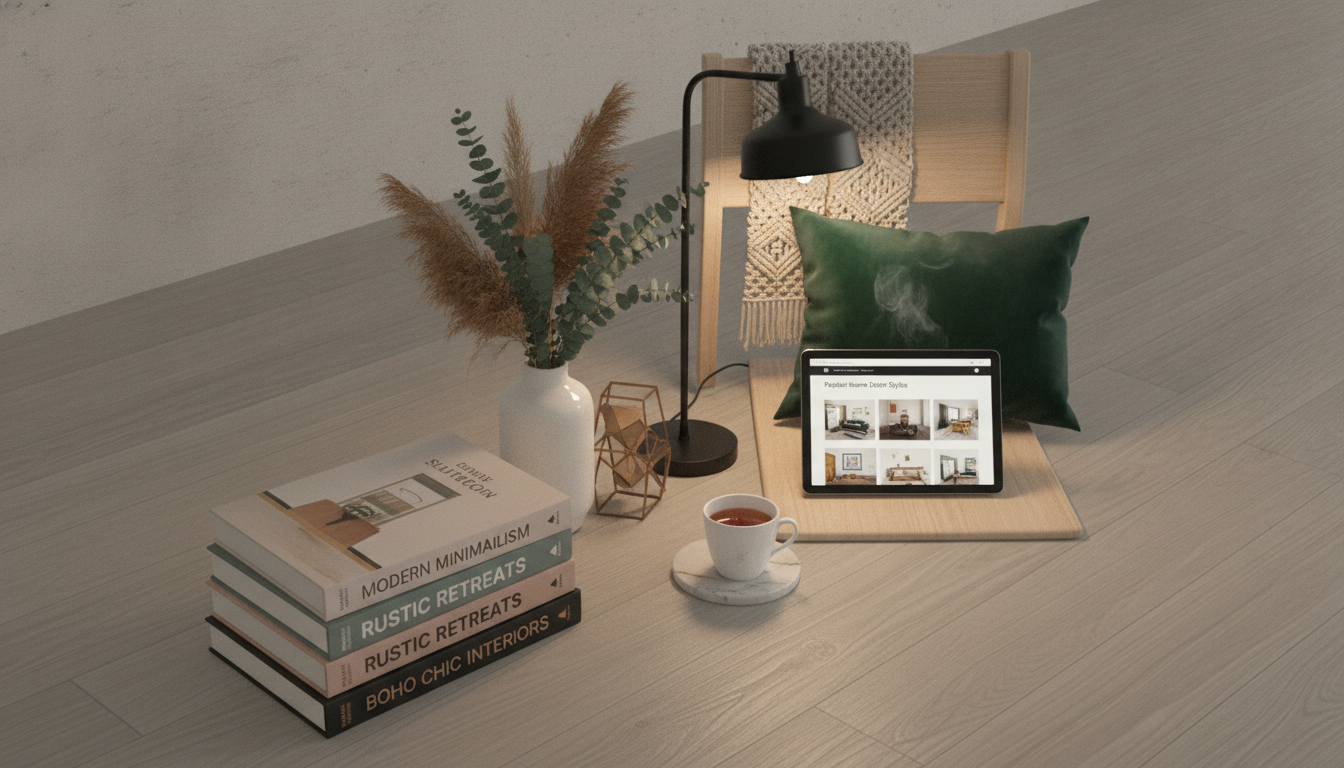
What are the different styles of home decor?
Home decor styles are recognizable design “families” that guide how a space looks and feels—from furniture shapes and materials to color palettes, patterns, and finishing details. Most homes blend a few influences, but knowing the major styles makes it easier to choose pieces that work together and create a cohesive vibe.
Answer
Here are some of the most common home decor styles and what defines them:
Modern
Clean lines, minimal ornamentation, and a “less but better” approach. Expect neutral colors, sleek silhouettes, and materials like metal, glass, and smooth wood.
Contemporary
Often confused with modern, contemporary is “of the moment.” It borrows from multiple eras but stays streamlined—think simple shapes, current finishes, and a mix of textures that feels fresh rather than retro.
Traditional
Classic and elegant with rich wood tones, detailed trim, and symmetrical layouts. Fabrics often include subtle patterns, and furniture tends to have curved lines and refined detailing.
Transitional
A balanced blend of traditional comfort and modern simplicity. Transitional spaces pair clean silhouettes with warm textures, making the look polished without feeling formal.
Farmhouse
Cozy, practical, and welcoming. Common elements include distressed woods, simple slipcovered seating, vintage-inspired accents, and a light, airy palette.
Rustic
Natural, rugged, and grounded in organic materials. Reclaimed wood, stone, leather, and earthy colors create a cabin-like warmth, even in a city home.
Industrial
Inspired by warehouses and lofts, featuring exposed materials (brick, concrete, metal), utilitarian lighting, and a neutral-to-darker palette. The look is edgy but can be softened with textiles.
Scandinavian
Bright, minimal, and functional with lots of light neutrals, pale woods, and cozy layers. It’s simple, but never stark—comfort is part of the design.
Mid-Century Modern
Retro silhouettes from the 1940s–1960s, tapered legs, warm woods, and pops of color. The style is iconic, graphic, and still easy to mix into newer spaces.
Bohemian (Boho)
Layered, collected, and expressive. Expect mixed patterns, global accents, textured textiles, plants, and a relaxed, lived-in feel.
For a deeper breakdown and help pinpointing your aesthetic, visit this decorating styles guide.
FAQ
How do I choose a home decor style that fits my space?
Start with what can’t easily change—architecture, flooring, and fixed finishes—then choose a core style that complements them. Add personality by mixing in one or two accent influences through textiles, lighting, and decor.








Leave a comment